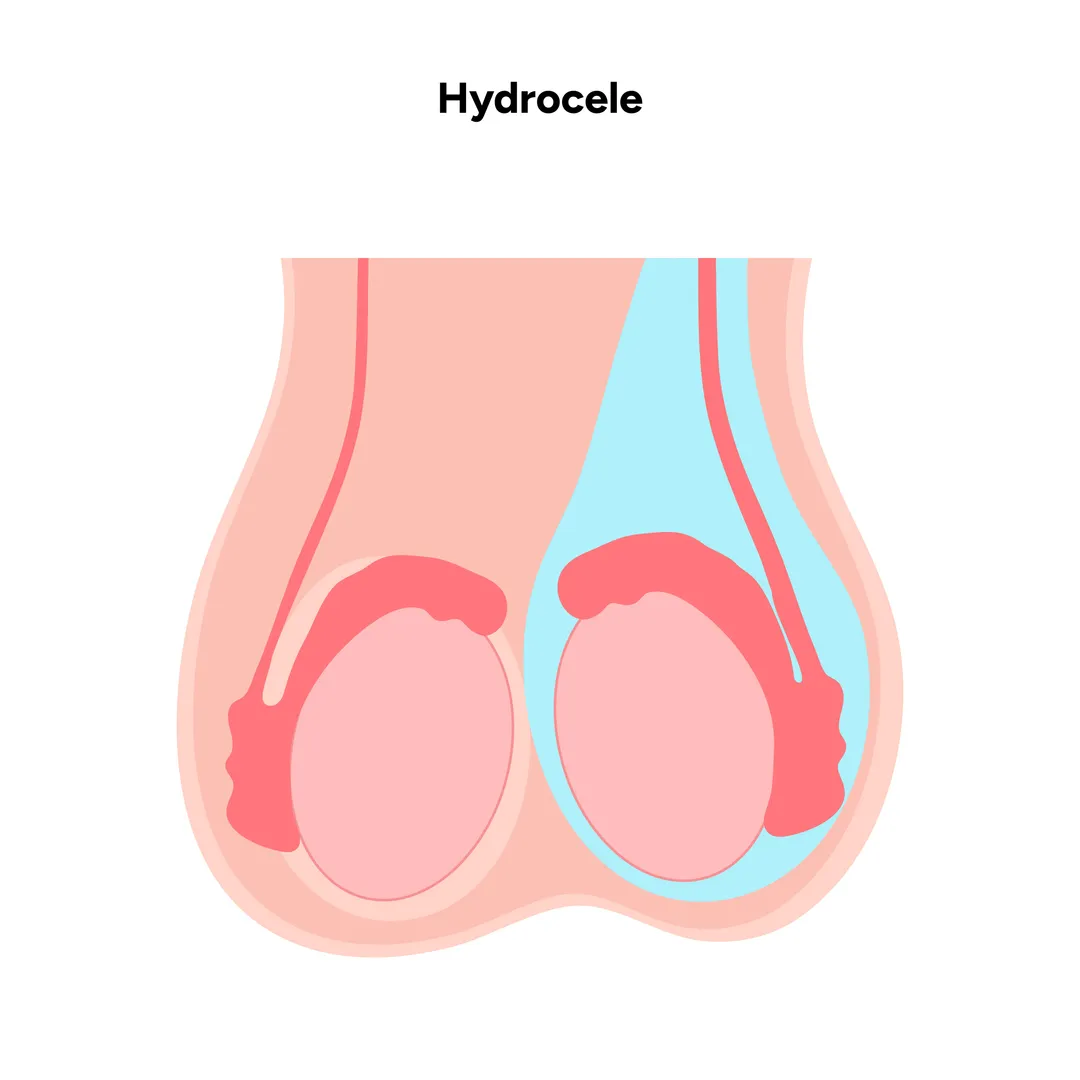
A hydrocele is a common condition that causes swelling in the scrotum due to the collection of fluid around the testicle. While it is often painless in the early stages, the swelling can gradually increase in size and cause discomfort, difficulty while walking, or embarrassment during daily activities. Many men wonder whether the condition will resolve on its own or whether Hydrocele Surgery is the right option.
For patients in Kolathur, Chennai, understanding when surgery becomes necessary can help prevent complications and improve comfort. Early medical evaluation also helps rule out other conditions that may present with similar symptoms.
What Is a Hydrocele?
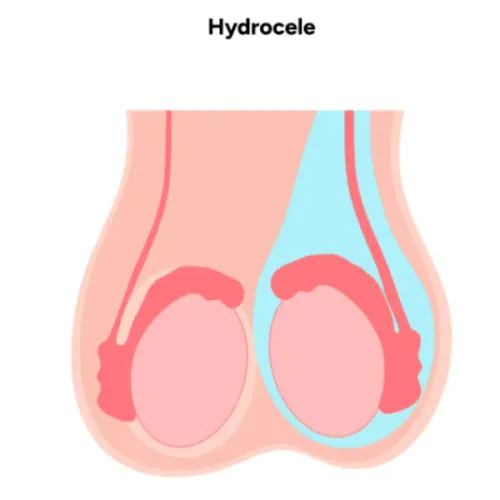
A hydrocele develops when fluid accumulates in the thin sac surrounding one or both testicles. It can occur in newborns as well as adults, although the causes differ between age groups.
In adults, hydroceles may develop gradually and remain unnoticed until the swelling becomes more prominent.
Common Causes of Hydrocele
Several factors may contribute to hydrocele formation.
These include
- Injury to the scrotum
- Infection of the testicle or epididymis
- Inflammation
- Previous surgery
- Age-related changes
- Rarely, underlying medical conditions
A clinical examination and, if required, an ultrasound help confirm the diagnosis.
Symptoms to Watch For
The most common symptom is swelling of the scrotum, but some patients experience additional concerns.
Possible symptoms include
- Painless scrotal swelling
- Feeling of heaviness
- Mild discomfort while walking
- Difficulty wearing fitted clothing
- Swelling that gradually increases in size
- Cosmetic concerns
Sudden pain or rapidly increasing swelling requires immediate medical attention.
Does Every Hydrocele Need Surgery?
Not necessarily.
Small hydroceles that do not cause symptoms may simply be monitored. Surgery is usually recommended when
- The swelling becomes large.
- Walking or sitting becomes uncomfortable.
- Daily activities are affected.
- Infection or pain develops.
- The diagnosis remains uncertain.
A surgeon evaluates each case individually before recommending treatment.
What Happens During Hydrocele Surgery?
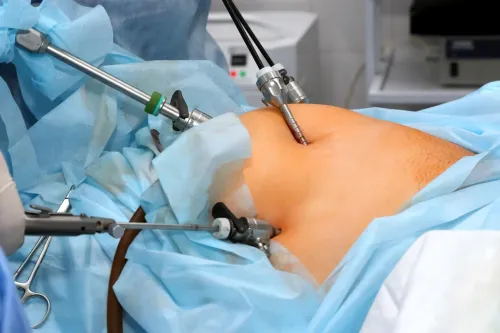
Hydrocele surgery, also known as hydrocelectomy, involves removing or repairing the fluid-filled sac to prevent fluid from collecting again.
The procedure is generally performed under anesthesia and usually requires only a short hospital stay. Modern surgical techniques focus on minimizing discomfort while promoting smooth healing.
Recovery After Surgery
Most patients recover well with appropriate postoperative care.
Recovery recommendations often include
- Wearing supportive undergarments
- Avoiding heavy lifting
- Keeping the surgical area clean
- Taking prescribed medications
- Attending follow-up appointments
Swelling may persist for a short period before gradually improving.
Tips to Support Healing
Following simple precautions after surgery can improve recovery.
Patients are encouraged to
- Rest adequately during the initial days
- Avoid strenuous exercise until advised
- Maintain good personal hygiene
- Report excessive swelling, fever, or severe pain promptly
- Follow the surgeon's instructions regarding activity levels
These measures help reduce the risk of complications.
Why Professional Evaluation Is Important
Scrotal swelling is not always caused by a hydrocele. Conditions such as inguinal hernia, varicocele, infection, or testicular tumors may produce similar symptoms. Proper examination ensures that the correct diagnosis is made before treatment begins.
Patients in Kolathur often seek evaluation from Dr. Amilthan K for scrotal swelling and other general surgical conditions. A thorough assessment helps determine whether observation or surgery is the most appropriate course of action.
If you notice persistent swelling in the scrotum or increasing discomfort during daily activities, consulting a qualified surgeon can help identify the cause and determine whether hydrocele surgery is necessary.
Keywords