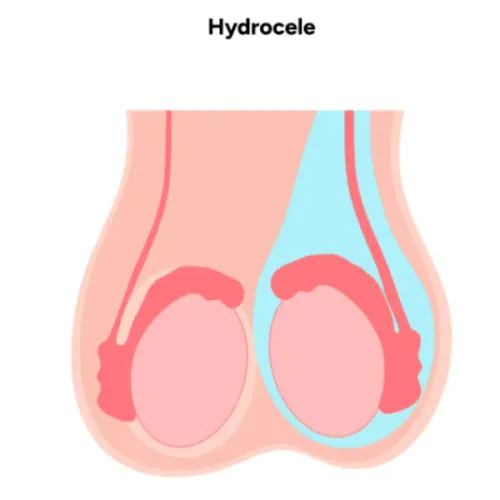
Circumcision is a surgical procedure in which the foreskin covering the head of the penis is removed. While circumcision may be performed for cultural or religious reasons, adults and children may also be referred for the procedure because of specific medical problems.
For patients considering circumcision in Kolathur, understanding why it has been recommended and what recovery involves can help them make an informed decision.
When Is Circumcision Medically Considered?
One common reason is phimosis, where the foreskin cannot be comfortably retracted.
However, foreskin retractability differs with age, particularly in children, and not every non-retractile foreskin automatically requires an operation.
Medical assessment is useful when there is
- Painful or problematic phimosis
- Recurrent inflammation or infection
- Scarring of the foreskin
- Pain or difficulty related to foreskin problems
- Repeated tearing
- Certain chronic foreskin conditions
Treatment should be based on the underlying condition rather than assuming surgery is required in every case.
Are Non-Surgical Treatments Possible?
For selected cases of phimosis, particularly when severe scarring is absent, conservative treatment may be considered.
A clinician may advise topical medication and appropriate stretching techniques where suitable.
Forceful retraction should be avoided because it can cause pain, tearing, bleeding, and additional scarring.
When conservative management is unsuccessful or the foreskin is significantly scarred, circumcision may become a more appropriate option.
What Happens During Circumcision?
The procedure removes the foreskin while preserving the glans and surrounding structures.
The type of anaesthesia depends on factors such as age, clinical circumstances, and surgical setting.
Patients should receive clear instructions about fasting if required, medication use, hygiene, and what arrangements are needed on the day of surgery.
Different surgical techniques and devices may be available, but suitability should be assessed individually.
What Is Recovery Like?
Swelling, tenderness, and sensitivity are common during the early healing period.
Patients should follow their surgeon's instructions regarding wound cleaning, dressings, bathing, clothing, pain medication, and physical activity.
Adults should also receive individualized guidance about when sexual activity and masturbation can safely resume. Returning too early can place tension on healing tissue.
Healing should be allowed to progress rather than judging the cosmetic result during the first few days.
What Problems Require Medical Review?
Patients should be told what is expected and what is not.
Medical advice should be sought for symptoms such as
- Significant or persistent bleeding
- Increasing redness or swelling
- Pus or concerning discharge
- Fever
- Severe or worsening pain
- Difficulty passing urine
- Wound separation or another unexpected change
Emergency care may be needed for severe bleeding or inability to urinate.
Questions Worth Asking Before the Procedure
A well-informed patient should know
- Why is circumcision being recommended?
- Are non-surgical options reasonable?
- Which technique is planned?
- What anaesthesia will be used?
- What should I do with my regular medicines?
- How long is typical recovery?
- When can work and exercise resume?
- How should the wound be cared for?
- When should I return for follow-up?
These are practical questions, not minor details.
Choosing Surgical Care in Kolathur
Privacy and clear communication are particularly important for intimate health concerns. Patients should feel comfortable discussing symptoms, previous infections, medication, sexual health where clinically relevant, and concerns about recovery.
Dr. Amilthan K provides general surgical consultation for patients who may require circumcision in Kolathur and can assess whether surgery is medically indicated and which approach is suitable.
Circumcision is usually a planned procedure, which gives patients an opportunity to understand their diagnosis and alternatives beforehand. A proper consultation should clarify not only how the procedure is performed, but also why it is being recommended in the first place.
Keywords