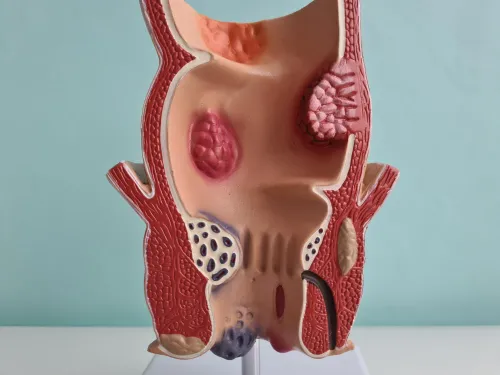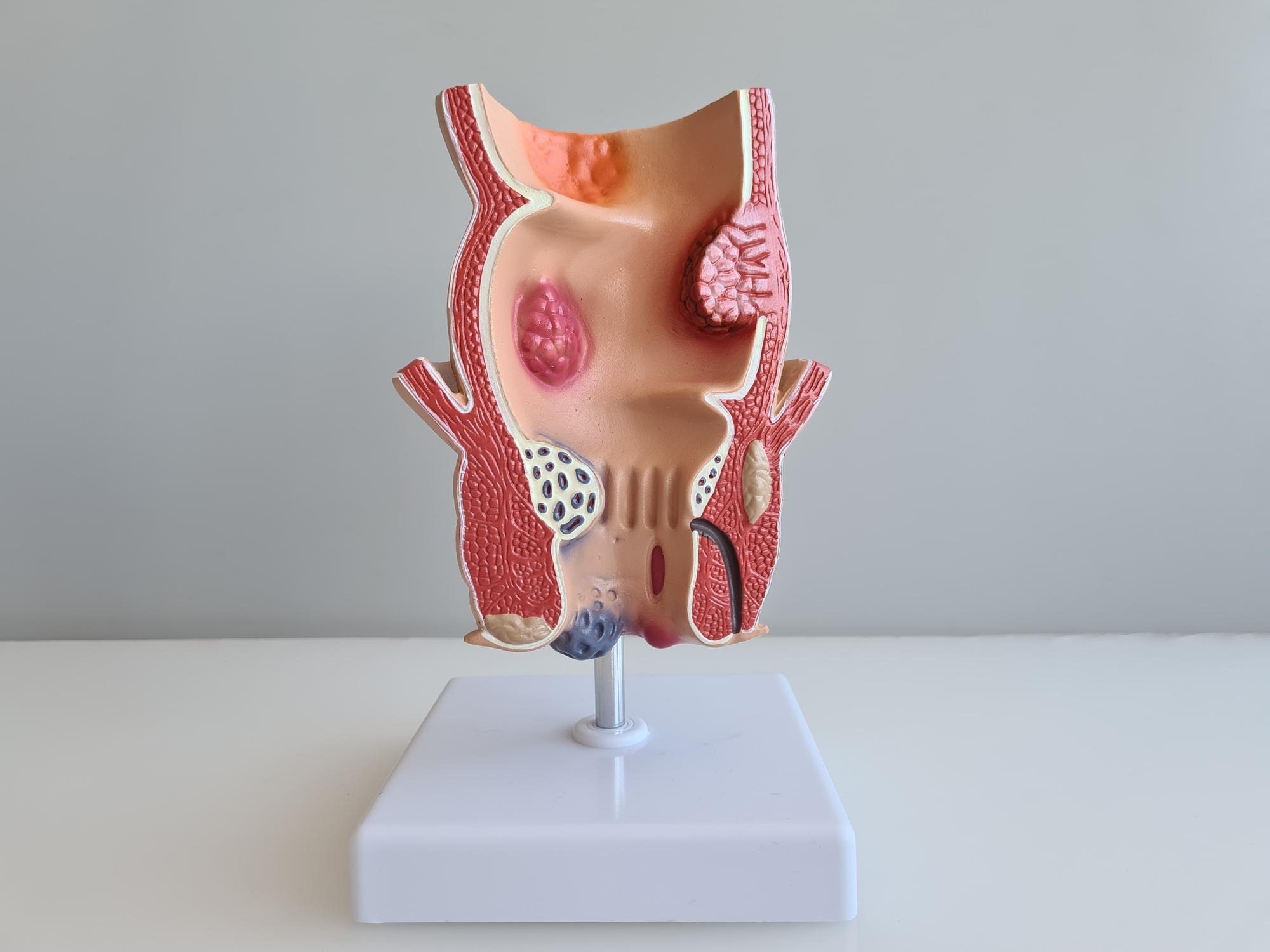
Bleeding during bowel movements is frequently blamed on piles, but not every episode of rectal bleeding is caused by hemorrhoids. Even when hemorrhoids are confirmed, treatment depends on their type, severity, symptoms, and response to conservative measures.
Understanding piles and hemorrhoids treatment can help patients know when simple lifestyle changes may be sufficient and when a surgical consultation becomes worthwhile.
What Are Hemorrhoids?
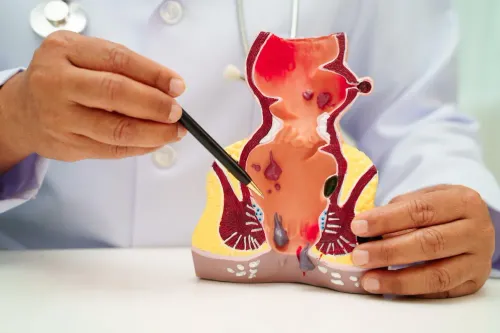
Hemorrhoids are swollen vascular cushions in or around the anal canal.
Internal hemorrhoids arise inside the anal canal, while external hemorrhoidal problems occur closer to the anal opening.
Symptoms can include
- Bright red bleeding
- A lump that appears during bowel movements
- Itching or irritation
- Mucus discharge
- Discomfort
- Difficulty maintaining hygiene
- Pain when an external hemorrhoid becomes thrombosed
The symptom pattern helps guide assessment.
Start by Addressing Bowel Habits
Constipation and repeated straining can worsen hemorrhoidal symptoms.
For mild disease, management may focus on improving stool consistency and reducing pressure during bowel movements.
Helpful habits may include
- Eating sufficient fibre
- Drinking adequate fluids
- Avoiding unnecessary straining
- Responding to the natural urge to pass stool
- Avoiding prolonged sitting on the toilet
- Remaining physically active
Medication may also be recommended according to symptoms.
These measures are useful even when a procedure eventually becomes necessary because poor bowel habits can continue to create problems afterward.
When Should You Stop Relying on Home Remedies?
A surgical or medical assessment becomes more important when bleeding keeps returning, tissue repeatedly prolapses from the anus, symptoms interfere with daily activities, or conservative measures are not working.
Persistent symptoms should not be managed indefinitely with creams purchased without evaluation.
An examination can determine whether hemorrhoids are actually responsible.
Why Should Rectal Bleeding Be Taken Seriously?
Hemorrhoids are common, but rectal bleeding can also occur with fissures, polyps, inflammation, diverticular disease, and colorectal cancer.
The likelihood of these conditions varies according to age, symptoms, family history, and other factors.
Evaluation becomes particularly important when bleeding is associated with altered bowel habits, unexplained weight loss, anaemia, abdominal symptoms, or other concerning features.
A colonoscopy or another investigation may be advised for selected patients.
What Procedures Are Available?
Treatment depends on the grade and type of hemorrhoidal disease.
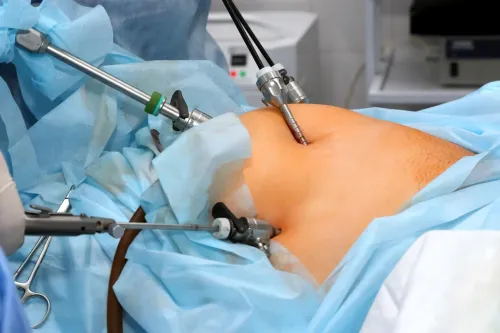
Some internal hemorrhoids can be treated using office-based or minimally invasive procedures, while more advanced or persistent disease may require surgery.
Different techniques have different advantages, limitations, recurrence profiles, and recovery considerations.
Rather than asking which procedure is best in general, patients should ask which option is most appropriate for their specific hemorrhoids.
Preparing for a Surgical Consultation
Before the appointment, it can be useful to note
- How long bleeding has been occurring
- Whether a lump comes out during bowel movements
- Whether it returns by itself
- Whether there is pain
- How frequently constipation occurs
- Current medications
- Previous hemorrhoid treatment
- Any family history of colorectal disease
This information can make the consultation more productive.
Patients seeking piles and hemorrhoids treatment in Kolathur can consult Dr. Amilthan K for evaluation of anorectal symptoms and discussion of conservative, procedural, or surgical management where appropriate.
Piles are treatable, but treatment works best when it follows a proper diagnosis. Recurrent bleeding, prolapse, or persistent discomfort deserves evaluation rather than repeated self-treatment—both to manage hemorrhoids effectively and to make sure another condition is not being overlooked.
Keywords