Changes in bowel habits and rectal bleeding are easy to dismiss, particularly when symptoms are intermittent. In some situations, however, examining the inside of the large intestine provides information that cannot be obtained from symptoms alone.
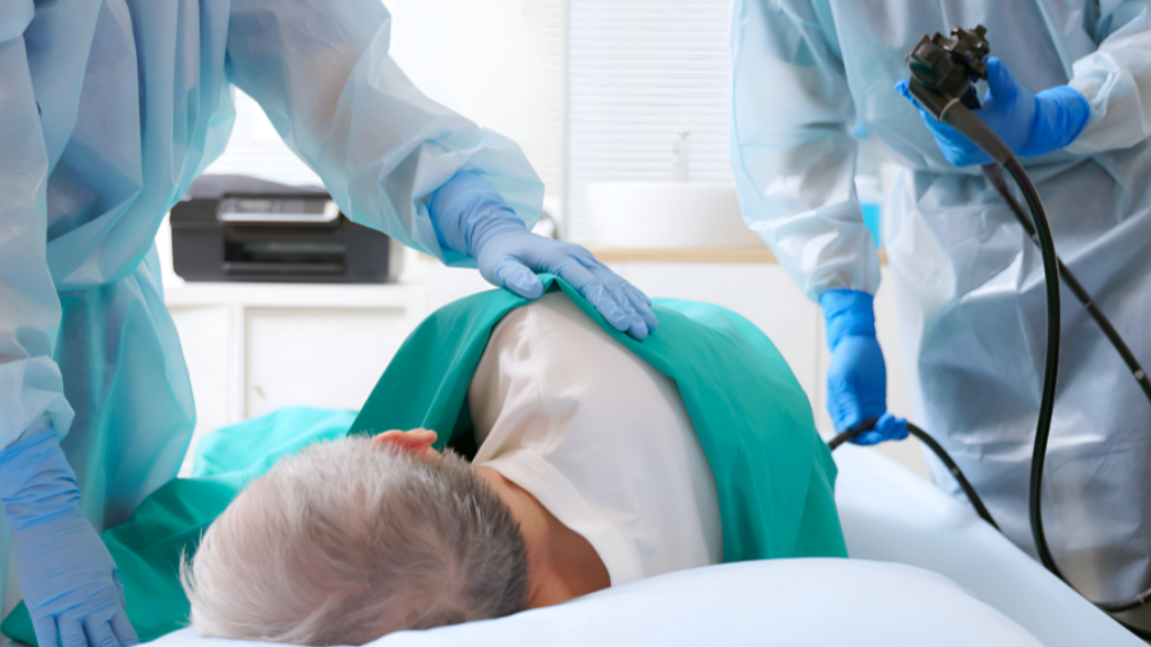
A colonoscopy allows the doctor to inspect the colon and rectum using a flexible camera and, when appropriate, take biopsies or remove certain polyps during the same procedure.
Why Is a Colonoscopy Performed?
Colonoscopy may be recommended for investigation, follow-up, surveillance, or colorectal cancer screening depending on a person's age and risk profile.
Possible reasons include
- Unexplained rectal bleeding
- Persistent changes in bowel habits
- Unexplained iron-deficiency anaemia
- Certain persistent abdominal symptoms
- Follow-up of previous polyps
- Surveillance for particular bowel conditions
- Colorectal cancer screening
- Relevant family or personal history
Having one of these symptoms does not automatically mean a person has cancer. Colonoscopy is used because several different conditions can produce similar symptoms.
What Can the Procedure Find?
During colonoscopy, the doctor examines the lining of the large bowel.
Findings may include
- Polyps
- Inflammation
- Diverticular disease
- Bleeding sources
- Growths
- Other abnormalities of the colon lining
Some polyps can be removed during colonoscopy and sent for laboratory examination.
Biopsies may also be taken from abnormal or sometimes even apparently normal-looking areas when clinically indicated.
Why Is Bowel Preparation So Important?
The colon needs to be sufficiently clean for the lining to be examined properly.
Patients are therefore given dietary instructions and bowel-cleansing medication before the test.
Poor preparation can obscure important areas and may occasionally mean that the examination has to be repeated.
Following the preparation instructions carefully is one of the most important things a patient can do to improve the quality of the procedure.
What Should Your Doctor Know Beforehand?
Tell the treating team about your medical conditions and regular medicines.
Particular attention may be required for
- Blood thinners
- Diabetes medicines
- Significant heart or lung disease
- Kidney problems
- Allergies
- Previous reactions to sedation
- Pregnancy or possible pregnancy
Do not stop prescription medication independently. The doctor or procedure team should provide individualized instructions.
What Happens on the Day?
During colonoscopy, a flexible instrument is passed through the anus and carefully advanced through the large bowel.
Sedation or pain-relieving medication may be used depending on the clinical setting.
Air or carbon dioxide may be introduced to expand the colon and improve visibility, which can cause temporary bloating or cramping afterward.
If sedation is used, arrangements may be required for someone to accompany the patient home. Driving and certain activities may need to be avoided for the period advised by the healthcare team.
Are There Risks?
Colonoscopy is commonly performed, but it is still a medical procedure and is not risk-free.
Potential complications can include bleeding, particularly after removal of a polyp, reactions to medication or sedation, and rarely perforation of the bowel.
The individual risk depends partly on whether the examination is purely diagnostic or involves additional procedures.
The doctor should explain relevant risks before consent.
When Should Bowel Symptoms Not Be Ignored?
Repeated rectal bleeding should not automatically be labelled as piles.
Medical evaluation is particularly important when bowel symptoms are persistent or accompanied by unexplained weight loss, anaemia, a significant change in bowel pattern, or relevant family history.
The appropriate investigation will depend on the individual.
For patients considering a colonoscopy in Kolathur, Dr. Amilthan K can assess symptoms and determine whether colonoscopy or another investigation is appropriate. Patients from Kolathur and nearby Chennai localities can benefit from discussing both their symptoms and personal risk factors before deciding on the next step.
Colonoscopy is most useful when performed for a clear clinical reason and with proper preparation. Understanding why the examination has been recommended, what preparation involves, and what may happen if an abnormality is identified can make the process considerably easier to approach.
Keywords