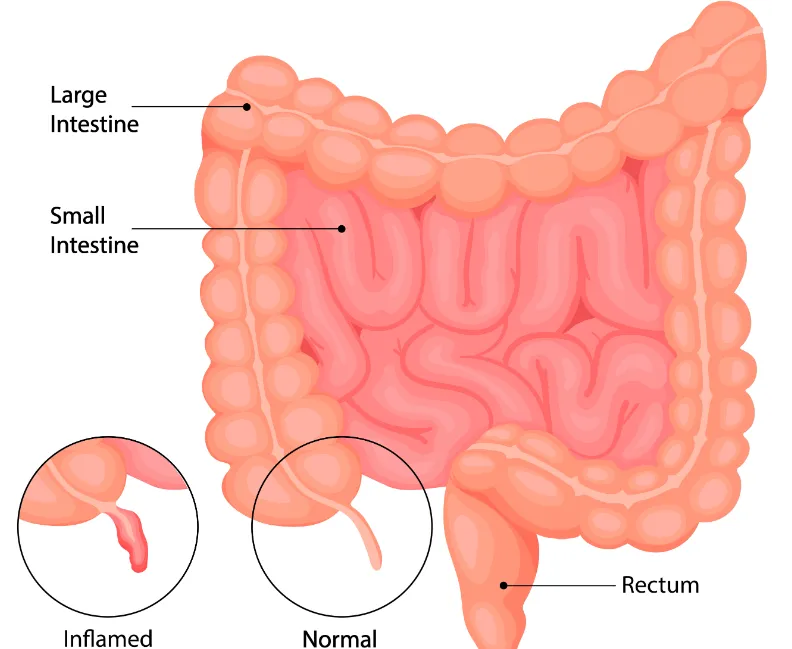
Appendicitis can begin with symptoms that resemble indigestion, gas, or a minor stomach infection. As inflammation progresses, however, the pain may become more localized and increasingly difficult to ignore.
When acute appendicitis is diagnosed, appendix surgery, known as appendectomy, is a commonly used treatment. The urgency and exact management depend on the patient's condition and clinical findings.
What Is Appendicitis?
The appendix is a small, narrow structure connected to the beginning of the large intestine.
Appendicitis occurs when it becomes inflamed. Without appropriate treatment, inflammation can progress and complications such as perforation, abscess formation, or infection within the abdomen can occur.
This is why suspected appendicitis should be medically evaluated rather than managed for several days with home remedies alone.
What Does Appendix Pain Usually Feel Like?
The textbook pattern is pain that begins around the central abdomen and later shifts toward the lower right side.
Real patients do not always follow the textbook.
Possible symptoms include
- Increasing abdominal pain
- Right lower abdominal tenderness
- Nausea or vomiting
- Reduced appetite
- Fever
- Pain while moving or coughing
- Changes in bowel habits in some patients
Children, older adults, and pregnant patients may have less typical symptoms.
How Is Appendicitis Diagnosed?
Diagnosis involves more than locating the pain.
The doctor may assess the history of symptoms, examine the abdomen, and request blood or urine tests. Ultrasound or CT imaging may be considered depending on the clinical situation.
Other conditions can mimic appendicitis, so examination and appropriate investigation are important.
When Is Surgery Recommended?
Appendectomy removes the inflamed appendix.
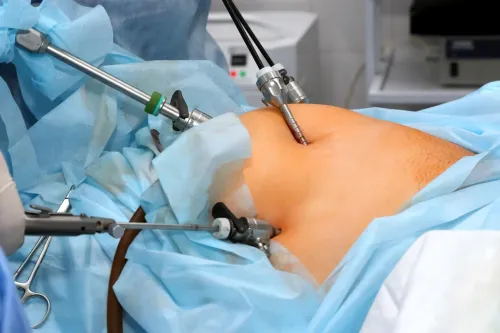
Laparoscopic appendectomy is commonly performed through small incisions using a camera and surgical instruments. Open surgery may be appropriate in certain situations.
The operative approach depends on factors such as disease severity, previous operations, patient health, complications, and intraoperative findings.
Selected cases of uncomplicated appendicitis may sometimes be considered for antibiotic-based management, but this is a clinical decision with potential advantages, limitations, and recurrence considerations. Patients should not attempt to treat suspected appendicitis themselves with antibiotics.
What If the Appendix Has Perforated?
A perforated appendix can lead to contamination or abscess formation within the abdomen.
Management may therefore be more complex than treatment of uncomplicated appendicitis. Antibiotics, drainage procedures, surgery, or staged treatment may be required depending on the findings.
Recovery can also take longer.
What Happens After Appendix Surgery?
Recovery differs between uncomplicated and complicated appendicitis.
After surgery, the healthcare team monitors pain, wounds, temperature, eating and drinking, and return of bowel function.
Patients receive individual instructions regarding
- Wound care
- Bathing
- Diet
- Pain medication
- Physical activity
- Lifting restrictions
- Return to work
- Follow-up
Increasing abdominal pain, persistent vomiting, high fever, worsening wound redness, significant discharge, or other unexpected deterioration after surgery should be reported promptly.
Can You Live Normally Without an Appendix?
Yes. Removal of the appendix does not normally require a special long-term diet or major lifestyle changes.
The more immediate concern is safe recovery from the inflammation and operation.
People in Kolathur and surrounding Chennai areas who have persistent or worsening right-sided abdominal pain should seek timely medical assessment. Dr. Amilthan K provides general and laparoscopic surgical evaluation, including assessment for patients who may require appendix surgery in Kolathur.
Appendicitis is one condition where waiting for severe symptoms can be risky. Increasing abdominal pain—particularly when accompanied by vomiting, fever, loss of appetite, or marked tenderness—deserves medical evaluation so that the cause can be established and appropriate treatment started.
Keywords