Cancer surgery is planned very differently from an operation performed for a simple benign condition. The surgeon must consider not only removal of visible disease but also tumour location, stage, surrounding structures, lymph nodes, pathology, and how surgery fits with chemotherapy, radiotherapy, or other treatments.
For selected cancers, laparoscopic cancer surgeries can provide a minimally invasive route to perform an oncologically appropriate operation.
What Does Laparoscopic Cancer Surgery Mean?
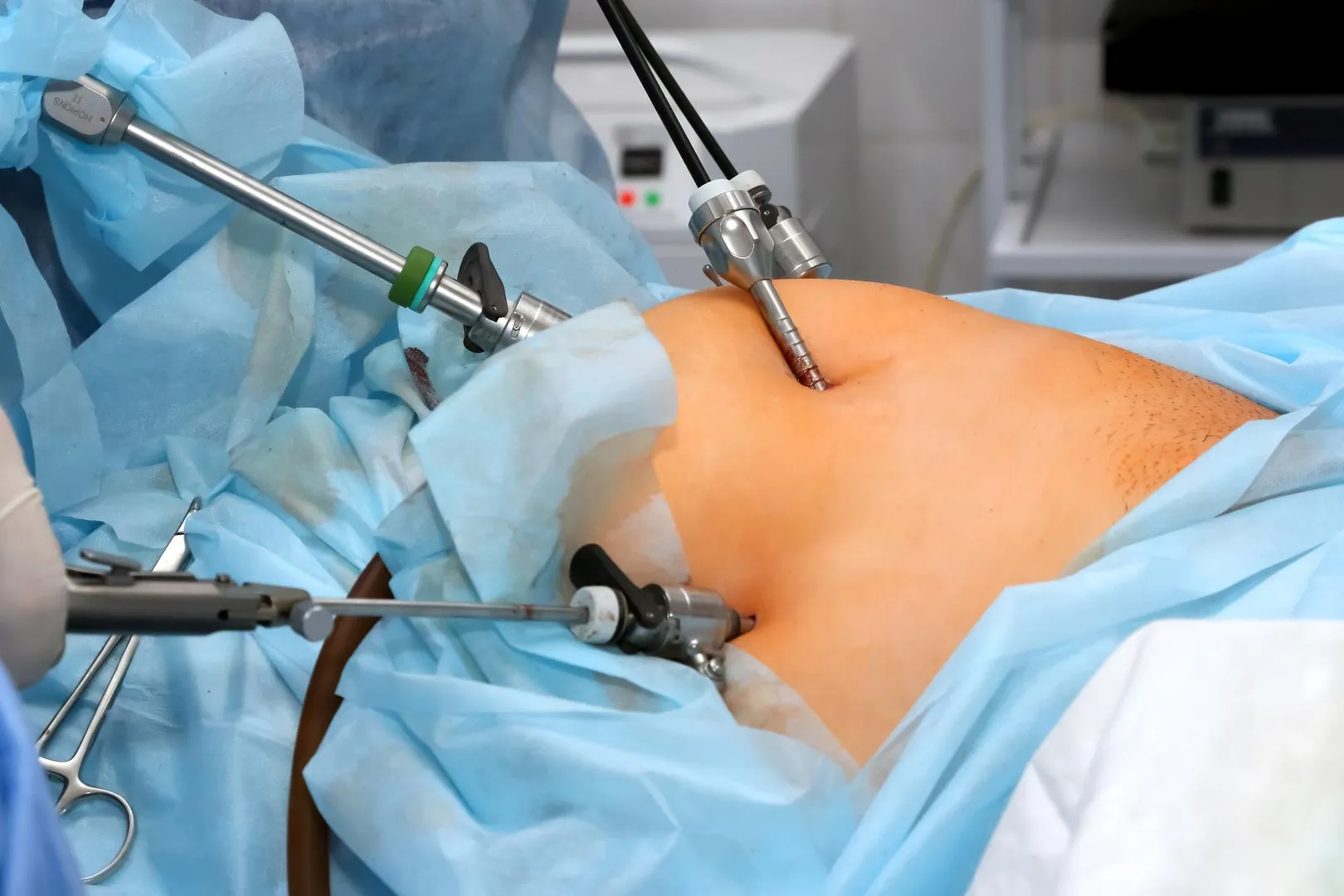
Laparoscopic surgery uses small abdominal incisions through which a camera and specialized instruments are introduced.
The camera provides a magnified internal view while the surgeon performs the required operation.
The objective is not simply to create smaller incisions. In cancer surgery, the fundamental goal remains adequate oncological treatment.
That can include removing the tumour with appropriate margins and addressing lymph nodes when indicated.
Which Cancer Operations Can Be Performed Laparoscopically?
Minimally invasive techniques may be considered for selected abdominal and gastrointestinal cancers.
Whether a laparoscopic approach is suitable depends on
- The organ involved
- Tumour size and location
- Cancer stage
- Involvement of surrounding structures
- Previous abdominal surgery
- Patient fitness
- Need for additional procedures
- Surgeon and hospital expertise
Therefore, the word laparoscopic should never be the only factor used to choose cancer treatment.
Why Is Staging Important Before Surgery?
Cancer treatment depends on knowing how far the disease has spread.
Preoperative assessment may include imaging, endoscopy, biopsy, blood investigations, and other tests depending on the cancer.
A multidisciplinary discussion may also be appropriate.
Some patients benefit from surgery first. Others may require chemotherapy or radiotherapy before an operation. For some advanced cancers, surgery may not be the first treatment at all.
The sequence matters.
What Are the Potential Benefits of a Minimally Invasive Approach?
When laparoscopic surgery is clinically and oncologically appropriate, potential benefits compared with a larger open incision can include
- Smaller surgical wounds
- Reduced wound-related discomfort in some patients
- Earlier mobilization
- Potentially shorter hospital recovery
- Faster return to some normal activities
These benefits must never come at the expense of appropriate cancer clearance.
When Might Open Surgery Be Preferred?
Open surgery remains an important and appropriate approach for many cancer operations.
It may be selected because of extensive disease, complex anatomy, involvement of nearby organs, previous surgery, or other technical and medical considerations.
Occasionally, an operation that begins laparoscopically may need to be converted to open surgery for safety or to complete the procedure appropriately. Conversion should not automatically be interpreted as a surgical failure.
What Should Patients Ask Their Surgeon?
Before cancer surgery, useful questions include
- What type and stage of cancer do I have?
- What is the objective of surgery?
- Do I need treatment before the operation?
- Is a laparoscopic approach suitable in my case?
- What tissue or organs need to be removed?
- Will lymph nodes be removed?
- Could the operation need to become an open procedure?
- What is the expected hospital stay and recovery?
- Will further treatment be decided after the pathology report?
A clear discussion can help patients understand both the operation and the broader cancer-treatment plan.
Surgical Planning Should Remain Individual
Cancer treatment should never be selected from a generic procedure list.
For patients exploring laparoscopic cancer surgeries in Kolathur or Chennai, Dr. Amilthan K can provide surgical assessment and determine the appropriate next steps based on the diagnosis and available clinical information. Depending on the cancer, care may involve coordination with oncology and other specialists.
Minimally invasive technology has expanded the possibilities of cancer surgery, but the best operation is the one that meets the patient's oncological needs safely. The incision size is only one part of a much larger treatment decision.
Keywords