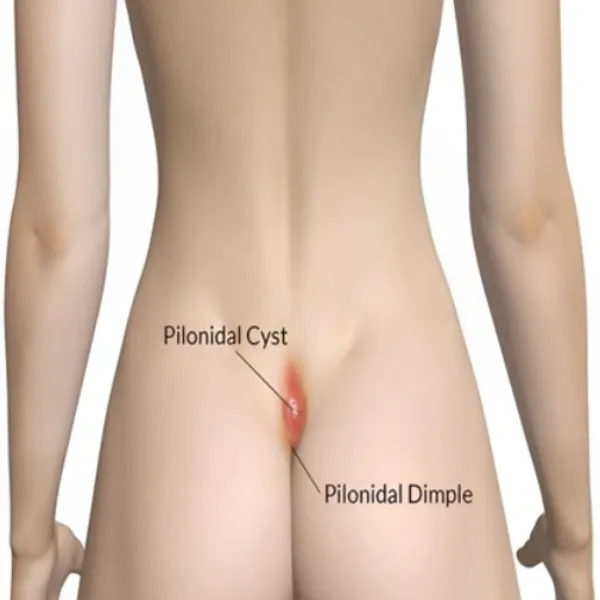
A painful swelling near the top of the buttock cleft may initially look like a boil. When the same area repeatedly becomes painful, swells, or releases pus or blood, however, the underlying problem may be a pilonidal sinus.
Understanding pilonidal sinus treatment is particularly important for people who have experienced repeated episodes and have relied on temporary measures each time symptoms return.
What Is a Pilonidal Sinus?
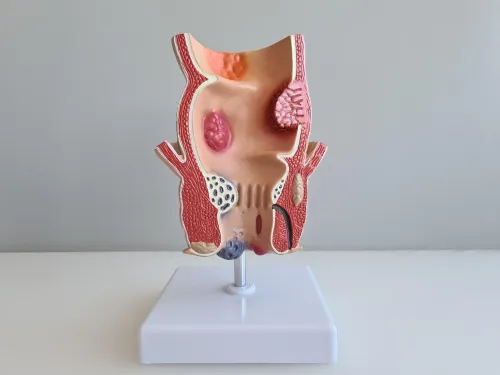
A pilonidal sinus is a small tract or cavity that develops in the skin, usually in the cleft between the buttocks near the tailbone.
Hair and debris can become embedded in the area and contribute to inflammation or infection.
It is seen more commonly in younger adults and can be associated with factors such as prolonged sitting, deep natal cleft anatomy, local friction, body hair, and previous inflammation.
What Does It Feel Like?
Some pilonidal sinuses remain relatively quiet until they become inflamed.
Symptoms may include
- Pain near the tailbone
- Local swelling
- Redness and tenderness
- Pus or blood-stained discharge
- Unpleasant-smelling drainage
- Small openings or pits in the skin
- Repeated episodes of apparent boils
When an abscess develops, pain can become intense and sitting may be difficult.
Why Does It Keep Coming Back?
An acute infection can settle after drainage or other treatment, but this does not always eliminate the underlying sinus tract.
That helps explain why some patients experience a cycle of swelling, discharge, temporary improvement, and recurrence.
Antibiotics may be appropriate in selected circumstances, but they do not necessarily remove a chronic sinus tract. The correct management depends on whether there is an acute abscess, persistent sinus disease, recurrent disease, or more extensive branching tracts.
What Happens If There Is an Abscess?
A painful collection of pus may require drainage.
This is different from definitive treatment of chronic pilonidal sinus disease. Once acute inflammation has settled, a surgeon can assess whether further treatment is necessary to reduce future episodes.
Patients should not repeatedly squeeze or puncture a painful swelling at home because this can worsen tissue injury and does not address the underlying condition.
What Treatments Are Available?
There is no single operation that suits every pilonidal sinus.
Management depends on the number and position of openings, previous infections, previous procedures, extent of disease, and surgeon's assessment.
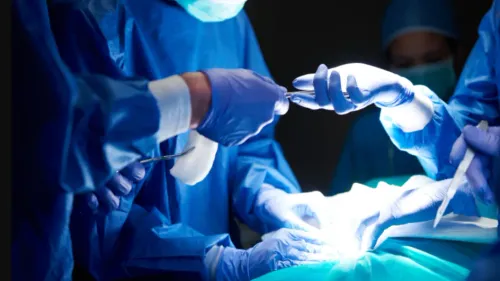
Options may range from local treatment for limited disease to surgical removal or other techniques for more established disease.
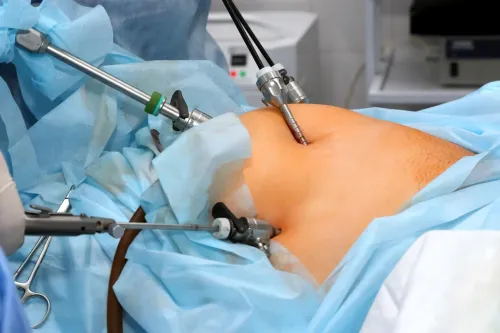
For suitable cases, surgeons may discuss approaches intended to reduce the size of the wound or keep the surgical scar away from the deepest part of the cleft. The advantages and limitations of each method should be discussed individually.
Recovery Is Part of Treatment Planning
People often focus entirely on the operation, but postoperative care is equally important.
Questions worth discussing include
- How will the wound be managed?
- Will dressings be needed?
- When can I sit comfortably?
- When can I return to work?
- When can exercise restart?
- Is hair control recommended?
- What symptoms after surgery require review?
Someone with a desk-based occupation may have different recovery concerns from a person whose work involves driving, lifting, or prolonged physical activity.
Can Recurrence Be Prevented?
No method can guarantee that pilonidal disease will never recur.
However, keeping the area clean, following wound-care instructions, reducing prolonged pressure during recovery, and following individualized advice regarding hair management may be helpful.
Most importantly, repeated episodes should be properly evaluated rather than treated as unrelated skin infections each time.
Patients looking for pilonidal sinus treatment in Kolathur can seek a surgical assessment with Dr. Amilthan K to determine the extent of the condition and whether conservative management, drainage, or definitive surgical treatment is appropriate.
Recurring pain or discharge near the tailbone deserves a clear diagnosis. Once the pattern is recognized, treatment can focus on the underlying disease rather than repeatedly managing only the latest flare-up.
Keywords