A painful swelling near the tailbone can make sitting, walking, or even simple daily activities uncomfortable. In many cases, this condition is caused by a pilonidal sinus, a small tunnel that forms beneath the skin and often contains hair, debris, and infected material. Without proper treatment, it may lead to repeated infections and recurring abscesses. Understanding your options for Pilonidal Sinus Treatment can help prevent ongoing discomfort and complications.
People in Kolathur, Chennai, who spend long hours sitting at work or while travelling are among those commonly affected by this condition. Seeking medical advice early often leads to simpler treatment and faster recovery.
What Is a Pilonidal Sinus?
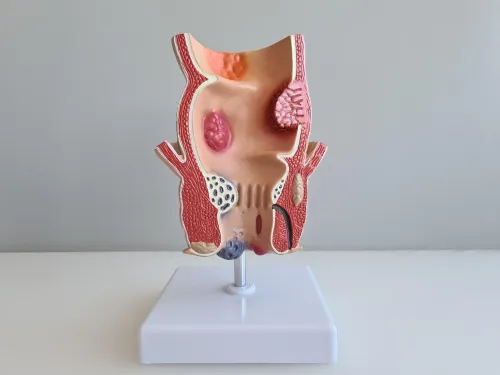
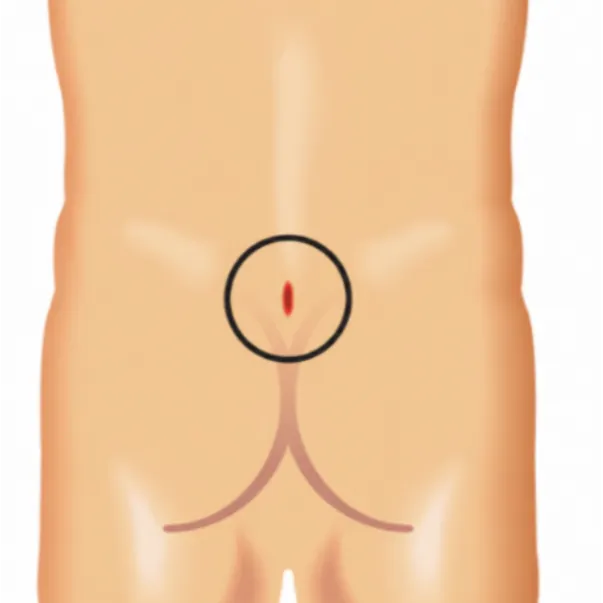
A pilonidal sinus is an abnormal cavity that usually develops in the crease between the buttocks near the tailbone. Hair entering the skin can trigger inflammation, resulting in infection and the formation of a sinus tract.
The condition is more common in
- Young adults
- Individuals with coarse body hair
- People who sit for prolonged periods
- Those with excessive sweating
- Individuals with obesity
While anyone can develop it, certain lifestyle factors increase the risk.
Common Symptoms
Symptoms may begin gradually and worsen if infection develops.
Typical signs include
- Pain near the tailbone
- Swelling
- Redness
- Pus or blood discharge
- Foul-smelling drainage
- Difficulty sitting comfortably
- Fever in severe infections
Ignoring these symptoms may result in repeated abscess formation.
Why Does It Keep Coming Back?
One of the biggest frustrations with pilonidal disease is recurrence.
Common contributing factors include
- Incomplete treatment
- Persistent hair growth
- Poor hygiene
- Continuous pressure on the affected area
- Delayed medical care
Treating only the infection without addressing the sinus tract may increase the likelihood of recurrence.
Treatment Options
Treatment depends on the severity of the condition.
Possible approaches include
- Antibiotics for selected infections
- Drainage of an abscess
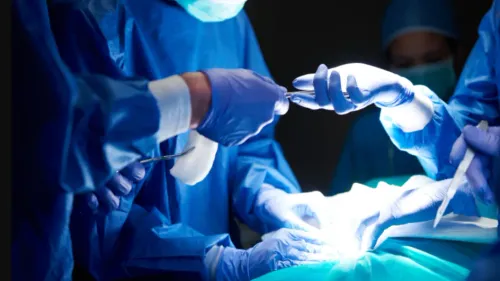
- Surgical removal of the sinus tract
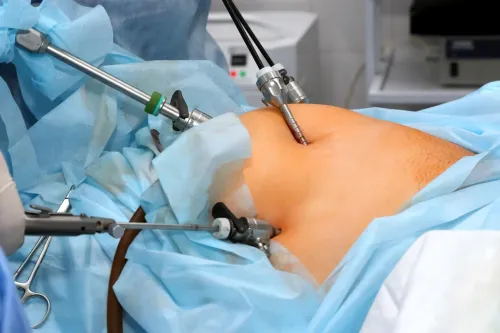
- Minimally invasive surgical techniques in suitable patients
- Regular wound care after surgery
Your surgeon will recommend the most appropriate treatment after clinical evaluation.
Preparing for Surgery
If surgery is advised, patients may receive instructions regarding
- Routine investigations
- Medication review
- Fasting requirements
- Personal hygiene
- Postoperative wound care
Understanding the recovery process beforehand helps patients feel more confident.
Recovery After Treatment
Recovery varies depending on the surgical technique used.
Patients are generally encouraged to
- Keep the wound clean
- Attend follow-up appointments
- Avoid prolonged sitting initially
- Maintain healthy body weight
- Remove excess hair if advised
- Follow dressing instructions carefully
Proper wound care significantly reduces the risk of future problems.
Can Pilonidal Sinus Be Prevented?
Although prevention is not always possible, certain habits may lower the chances of recurrence.
These include
- Maintaining good hygiene
- Avoiding prolonged sitting whenever possible
- Keeping the area dry
- Wearing comfortable clothing
- Managing body weight
- Following postoperative care recommendations
These measures are especially important after successful treatment.
Seeking the Right Surgical Care
A thorough evaluation helps determine the extent of the disease and the most appropriate surgical approach. Modern techniques aim to remove the diseased tissue while promoting faster healing and reducing recurrence whenever possible.
Patients in Kolathur frequently consult Dr. Amilthan K for evaluation and management of pilonidal sinus disease. Care is tailored to each individual's condition, with emphasis on accurate diagnosis, patient education, and long-term recovery.
If you have recurring swelling, drainage, or pain near the tailbone, early pilonidal sinus treatment can help prevent repeated infections and improve your overall comfort and quality of life.
Keywords