A cancer diagnosis often brings many questions, especially when surgery is part of the treatment plan. One of the most common concerns patients have is whether they are eligible for minimally invasive surgery. Advances in surgical techniques have made Laparoscopic Cancer Surgery a valuable option for selected patients with certain gastrointestinal and abdominal cancers. By using specialized instruments and small incisions, this approach can help achieve effective treatment while supporting a smoother recovery.
Patients in Kolathur, Chennai, are increasingly seeking information about minimally invasive cancer surgery as awareness grows regarding its benefits and suitability for different types of cancer. Understanding how the procedure works and who may benefit from it can help patients have informed discussions with their surgeon.
What Is Laparoscopic Cancer Surgery?
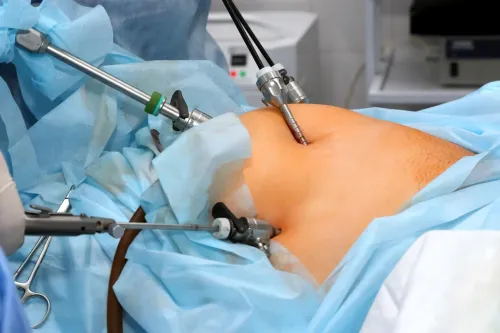
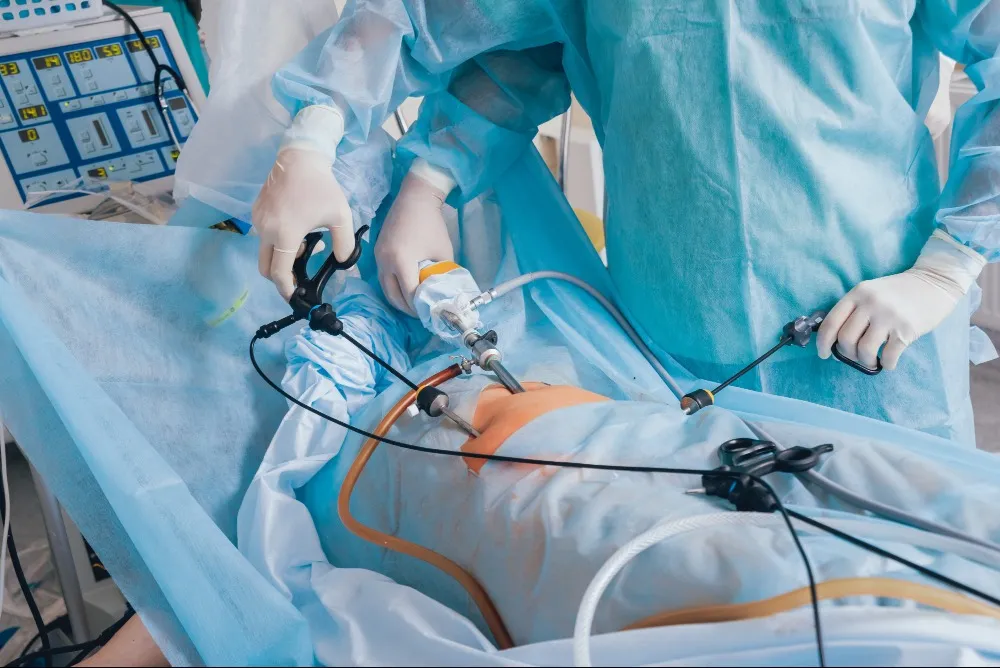
Laparoscopic cancer surgery is a minimally invasive technique used to remove cancerous tissue through small incisions instead of a large open surgical wound. A laparoscope, which is a thin instrument fitted with a high-definition camera, provides a clear view of the surgical area, allowing the surgeon to perform the procedure with precision.
Depending on the type and stage of cancer, nearby lymph nodes may also be removed for accurate staging and treatment planning.
Which Cancers Can Be Treated Laparoscopically?
Not every cancer is suitable for laparoscopic surgery. The decision depends on factors such as the size of the tumor, its location, and whether it has spread.
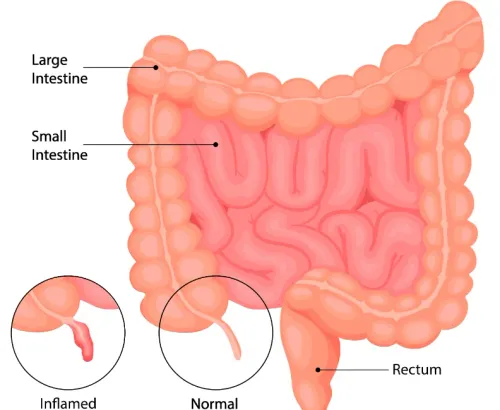
Laparoscopic techniques may be considered for selected cases involving
- Colon cancer
- Rectal cancer
- Stomach cancer
- Appendix tumors
- Certain small intestinal tumors
- Other abdominal cancers when clinically appropriate
A detailed evaluation helps determine the safest and most effective surgical approach.
Advantages of a Minimally Invasive Approach
For eligible patients, laparoscopic surgery offers several potential benefits.
These include
- Smaller surgical incisions
- Reduced postoperative pain
- Less blood loss
- Lower risk of wound infection
- Faster recovery
- Shorter hospital stay
- Earlier return to daily activities
- Smaller scars
Despite these advantages, the primary goal remains complete and effective cancer removal.
How Is Eligibility Determined?
The choice between laparoscopic and open surgery depends on multiple medical factors.
Your surgeon may consider
- Cancer stage
- Tumor size
- Location of the disease
- Previous abdominal surgeries
- Overall health
- Results of imaging investigations
Every treatment plan is individualized to achieve the best possible outcome.
Preparing for Surgery
Before the procedure, several investigations are usually performed.
These may include
- Blood tests
- CT or MRI scans
- Endoscopy or colonoscopy when indicated
- Cardiac evaluation if required
- Review of medications and existing medical conditions
Patients also receive guidance regarding fasting and postoperative care.
Recovery After Surgery
Recovery varies depending on the type of cancer and the extent of surgery.
Most patients are encouraged to
- Begin walking as advised
- Perform breathing exercises
- Follow dietary recommendations
- Attend scheduled follow-up visits
- Report fever, severe pain, or unusual symptoms promptly
Regular monitoring remains an important part of cancer care even after successful surgery.
The Importance of a Multidisciplinary Approach
Cancer treatment often involves collaboration between surgeons, oncologists, radiologists, pathologists, and other healthcare professionals. This team-based approach helps ensure that surgery, chemotherapy, radiation therapy, and follow-up care are planned according to each patient's individual needs.
Patients should feel comfortable asking questions about treatment goals, expected recovery, and long-term monitoring before making decisions.
Choosing an Experienced Surgeon
Cancer surgery requires careful planning, technical expertise, and attention to long-term outcomes. An experienced surgeon evaluates each patient thoroughly before recommending the most appropriate surgical approach.
Patients in Kolathur often consult Dr. Amilthan K for assessment of gastrointestinal surgical conditions and guidance regarding minimally invasive surgical options when appropriate. Treatment recommendations are based on clinical findings, diagnostic investigations, and established surgical principles.
If you or a loved one has been advised to undergo cancer surgery, discussing the possibility of laparoscopic cancer surgery with a qualified surgeon can help you understand whether this minimally invasive approach is suitable for your condition.
Keywords