Gynecomastia is enlargement of male breast tissue and can occur on one or both sides of the chest. Although it is common, many men delay seeking medical advice because they feel embarrassed or assume that exercise alone will correct the problem.
The right gynecomastia treatment depends on what is causing the chest enlargement. True glandular gynecomastia, excess fatty tissue, and a combination of both can look similar but may require different management.
For men in Kolathur and other parts of Chennai, understanding the cause is the first step before considering any procedure.
Why Does Gynecomastia Develop?
Gynecomastia can occur when the balance between hormonal influences on breast tissue changes.
Possible contributing factors include
- Puberty-related hormonal changes
- Age-related hormonal changes
- Certain medications
- Some medical conditions
- Use of anabolic steroids or other substances
- Increased body fat
- Occasionally, an underlying hormonal disorder
In some patients, no single cause is identified.
Because chest enlargement is not always true gynecomastia, clinical evaluation is important before deciding on treatment.
Gynecomastia and Chest Fat Are Not Exactly the Same
This distinction matters.
Pseudogynecomastia refers mainly to fatty enlargement of the chest, often associated with overall weight gain. True gynecomastia involves proliferation of glandular breast tissue.
A person can also have both glandular tissue and excess fat.
Weight reduction may improve a predominantly fatty chest, but established glandular tissue may remain even after significant improvement in fitness.
When Should You See a Doctor?
A medical assessment is sensible when breast enlargement persists, causes tenderness, affects confidence, or does not improve despite weight management.
Evaluation is particularly important when there is
- A new or rapidly developing lump
- Enlargement mainly on one side
- Significant pain
- Nipple discharge or bleeding
- Skin or nipple changes
- A hard or unusual breast lump
- Other unexplained symptoms
These features do not necessarily indicate a serious condition, but they deserve proper examination.
Can Gynecomastia Be Treated Without Surgery?
Sometimes.
If a medication or underlying medical condition is contributing to the problem, addressing that factor may be appropriate. Puberty-related gynecomastia can also improve over time in many adolescents.
Weight management can help when excess fatty tissue contributes substantially to chest enlargement.
Long-standing glandular gynecomastia, however, may not disappear through exercise alone. In such cases, surgical treatment may be discussed when the condition causes persistent physical or psychological concern.
What Does Surgical Treatment Involve?
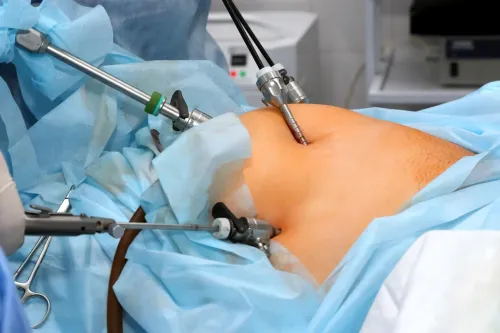
Surgery is individualized according to the amount of glandular tissue, fat, excess skin, and chest contour.
Techniques may include
- Liposuction for excess fatty tissue
- Removal of glandular tissue
- A combination of liposuction and gland excision
- Skin removal in selected cases with significant excess skin
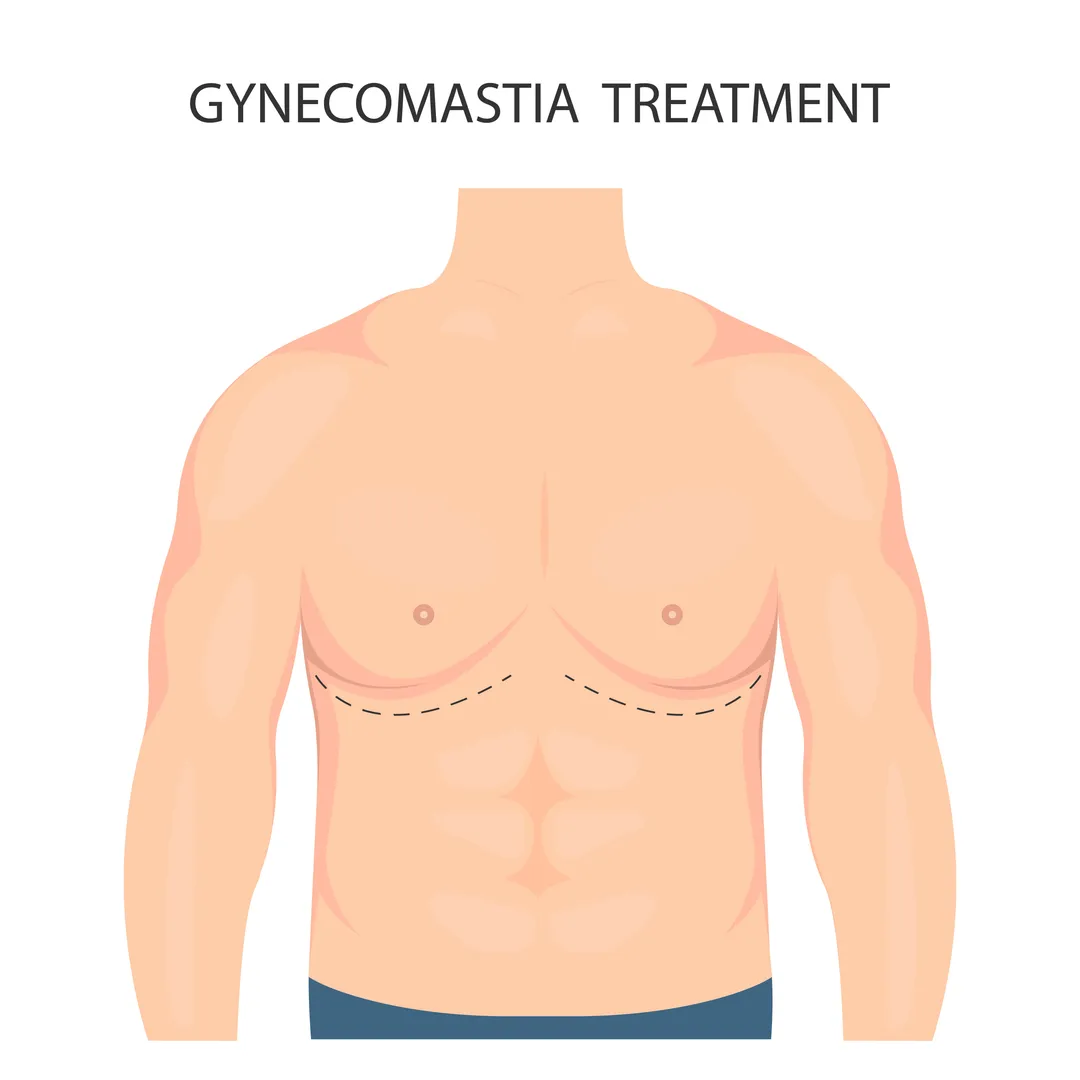
The surgeon should explain where incisions are likely to be placed, what degree of contour improvement is realistic, and what scars may remain.
What Is Recovery Like?
Recovery varies according to the extent of surgery and the technique used.
Swelling, bruising, tenderness, and temporary changes in sensation can occur. A compression garment may be recommended for a period after surgery. Patients are usually given individualized advice about bathing, wound care, work, driving, exercise, and lifting.
Final chest contour should not be judged immediately because postoperative swelling takes time to settle.
Choosing Treatment for the Right Reason
Gynecomastia surgery is a personal decision and should not be approached as a guaranteed route to a perfect chest.
A useful consultation focuses on whether the enlargement is glandular, fatty, or mixed; whether another condition needs investigation; and what improvement can reasonably be expected.
Patients exploring gynecomastia treatment in Kolathur can consult Dr. Amilthan K for clinical assessment and discussion of suitable management options. Where surgery is appropriate, the procedure can be planned according to the patient's anatomy and clinical needs.
Persistent male breast enlargement is a medical concern that can be discussed without embarrassment. Getting the diagnosis right is more important than choosing a procedure based simply on how the chest looks.
Keywords