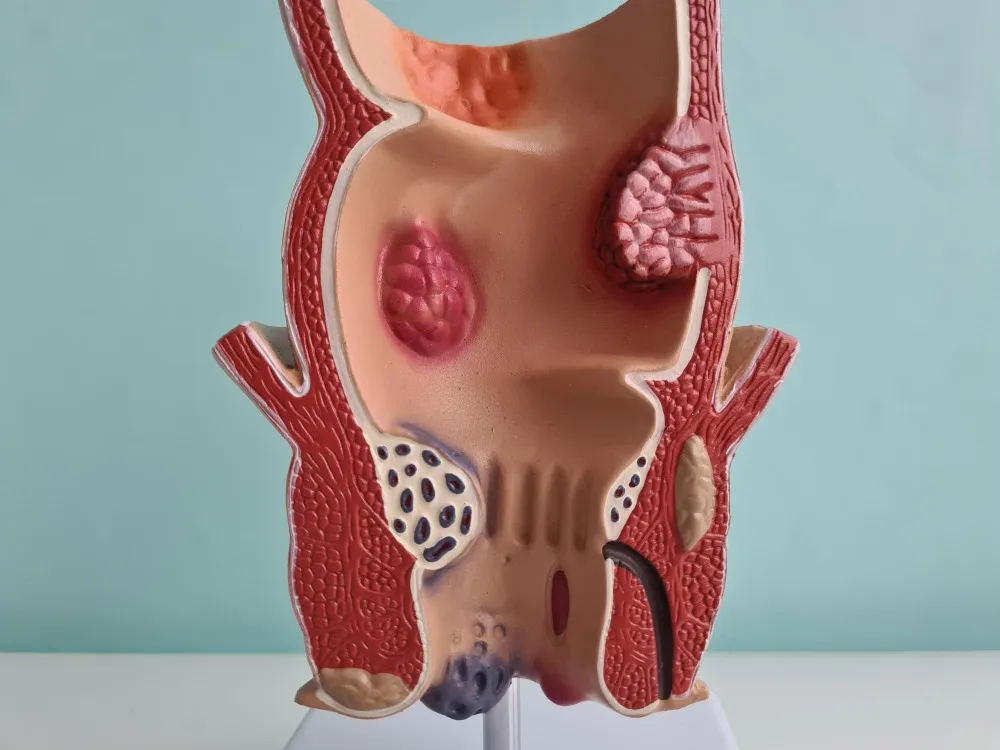
An anal fistula is a condition that often begins with an infection near the anus and can lead to ongoing pain, swelling, and discharge if left untreated. Many people delay seeking medical attention because they assume the symptoms will resolve on their own. However, an anal fistula rarely heals without appropriate treatment. If you are considering Fistula Surgery, understanding the condition and the available treatment options can help you make informed decisions about your health.
In Kolathur, Chennai, patients with persistent anorectal symptoms are increasingly opting for early evaluation, as timely treatment can reduce discomfort and prevent repeated infections.
What Is an Anal Fistula?
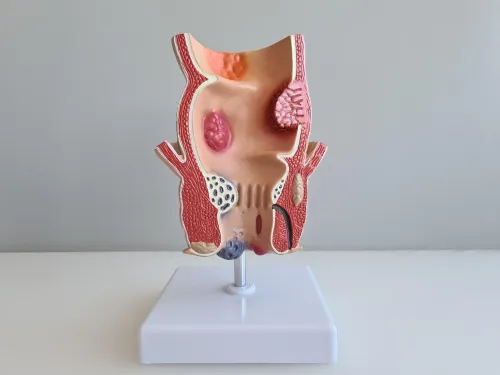
An anal fistula is a small tunnel that forms between the anal canal and the skin around the anus. It usually develops after an anal abscess drains but fails to heal completely.
The tunnel allows fluid or pus to pass continuously, resulting in recurring infections and irritation.
Common Causes of an Anal Fistula
Several conditions may contribute to fistula formation.
The most common causes include
- Previous anal abscess
- Blocked anal glands
- Crohn's disease
- Tuberculosis in rare cases
- Previous anorectal surgery
- Injury or trauma to the anal region
A detailed medical evaluation helps identify the underlying cause before treatment is planned.
Symptoms That Should Not Be Ignored
The symptoms of an anal fistula often interfere with everyday activities.
Common signs include
- Persistent pain around the anus
- Swelling
- Recurrent pus discharge
- Bleeding
- Skin irritation
- Foul-smelling drainage
- Pain while sitting
- Fever during active infection
If these symptoms continue despite medication, medical assessment is recommended.
Why Medication Alone Is Usually Not Enough
Antibiotics can help control infection temporarily, but they do not remove the fistula tract itself.
Without definitive treatment
- Infection may return repeatedly.
- New abscesses may develop.
- Pain may become chronic.
- Daily activities may become increasingly uncomfortable.
This is why surgery is often considered the most effective long-term treatment.
What Happens During Fistula Surgery?
The surgical approach depends on the location and complexity of the fistula.
Treatment options may include
- Fistulotomy
- Seton placement
- Advancement flap procedures
- Sphincter-preserving techniques
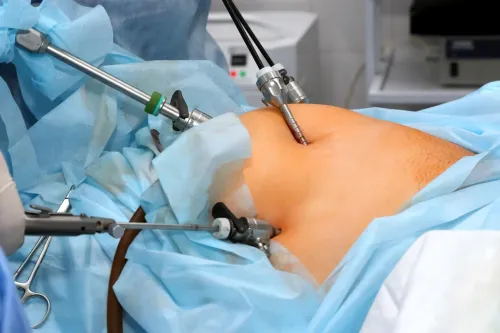
- Other minimally invasive approaches when appropriate
The goal is to eliminate the fistula while preserving normal bowel control as much as possible.
Recovery After Surgery
Recovery varies depending on the type of procedure performed.
Patients are commonly advised to
- Maintain good hygiene
- Take prescribed medications
- Follow a high-fiber diet
- Drink adequate water
- Avoid constipation
- Attend regular follow-up appointments
Complete healing may take several weeks, and following postoperative instructions carefully supports better outcomes.
Tips for a Smoother Recovery
Simple lifestyle measures can improve healing after surgery.
Helpful practices include
- Taking warm sitz baths
- Eating fiber-rich foods
- Avoiding prolonged sitting
- Maintaining regular bowel habits
- Keeping the surgical area clean
- Reporting persistent bleeding or fever promptly
These measures reduce discomfort and support wound healing.
Why Early Treatment Matters
Many patients tolerate symptoms for months because they feel embarrassed discussing anorectal conditions. Delaying treatment, however, may allow the fistula to become more complex, making surgery more challenging.
Seeking evaluation early allows the surgeon to diagnose the condition accurately and recommend the most appropriate treatment before complications arise.
Choosing an Experienced Surgeon
Successful fistula treatment requires careful assessment of the fistula's course, surrounding muscles, and any associated infection. The choice of procedure should be individualized to achieve healing while protecting normal anal function.
Patients in Kolathur often consult Dr. Amilthan K for comprehensive evaluation and management of anal fistulas. Every treatment plan is based on the patient's symptoms, examination findings, and the complexity of the condition.
If you experience persistent discharge, recurring abscesses, or pain around the anal region, consulting a qualified surgeon for fistula surgery can help resolve the condition and reduce the likelihood of repeated infections.
Keywords