Digestive problems are among the most common health concerns affecting adults today. While occasional acidity or indigestion is usually not a cause for concern, persistent symptoms may indicate an underlying condition that requires medical evaluation. One of the most reliable diagnostic tools available is an upper gastrointestinal endoscopy. Patients searching for Endoscopy Services often want to know what the procedure involves, whether it is painful, and what conditions it can detect.
In Kolathur, Chennai, access to modern endoscopic evaluation has helped many patients receive accurate diagnoses for digestive disorders before complications develop. Understanding when an endoscopy is recommended can help you seek medical care at the right time.
What Is an Endoscopy?
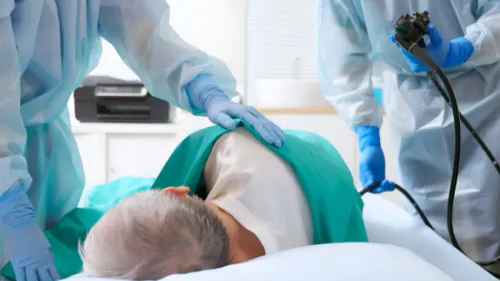
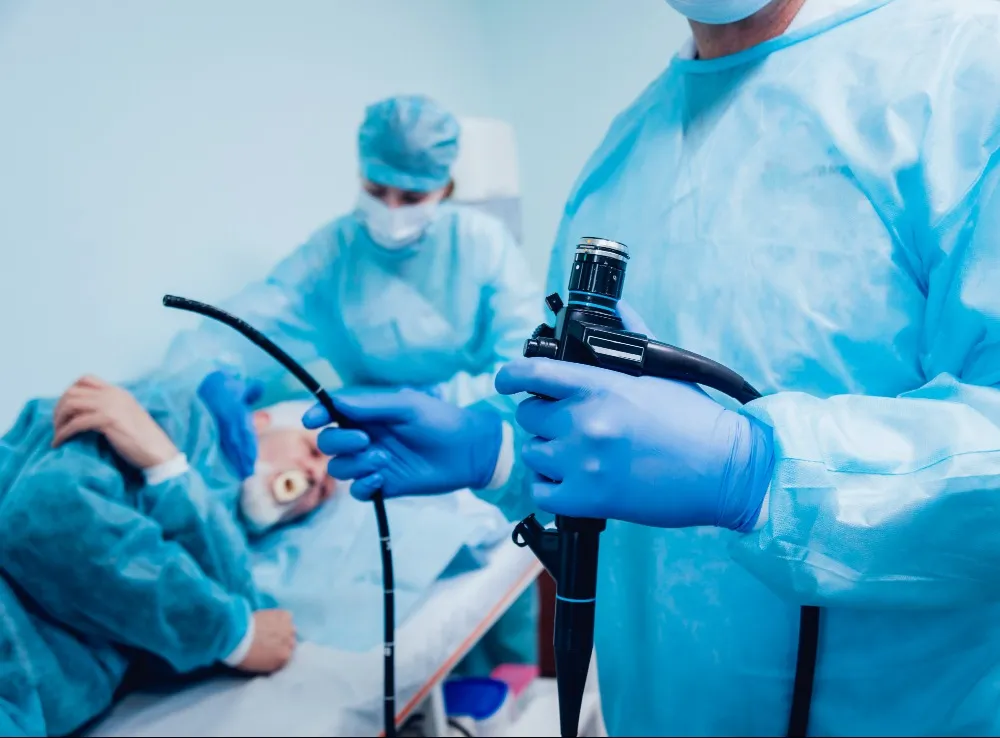
An upper gastrointestinal endoscopy is a minimally invasive diagnostic procedure that allows a surgeon or gastroenterology specialist to examine the food pipe (esophagus), stomach, and the first part of the small intestine using a flexible tube fitted with a tiny camera.
The procedure provides clear, real-time images of the digestive tract and helps diagnose conditions that may not be visible through routine blood tests or imaging studies.
When Is an Endoscopy Recommended?
Your doctor may advise an endoscopy if digestive symptoms persist despite medication or lifestyle changes.
Common reasons include
- Frequent acid reflux
- Persistent heartburn
- Difficulty swallowing
- Upper abdominal pain
- Nausea or vomiting
- Unexplained weight loss
- Vomiting blood
- Black-colored stools
- Chronic indigestion
An endoscopy helps identify the exact cause rather than treating symptoms alone.
Conditions That an Endoscopy Can Detect
An endoscopy is valuable because it allows direct visualization of the upper digestive tract.
It can help diagnose
- Gastritis
- Stomach ulcers
- Esophagitis
- Gastroesophageal reflux disease (GERD)
- Barrett's esophagus
- Polyps
- Hiatal hernia
- Upper gastrointestinal bleeding
- Early cancers of the digestive tract
If necessary, tissue samples can also be collected during the procedure for laboratory examination.
How Should You Prepare?
Preparation is generally simple.
Patients are usually advised to
- Avoid eating or drinking for several hours before the procedure.
- Inform the doctor about regular medications.
- Discuss allergies or existing medical conditions.
- Arrange transportation if sedation is planned.
Following preparation instructions carefully improves the quality and accuracy of the examination.
What Happens During the Procedure?
The procedure usually takes between 15 and 30 minutes.
A local anesthetic spray may be applied to the throat, and sedation is often provided for additional comfort. The endoscope is gently passed through the mouth into the upper digestive tract. The camera sends detailed images to a monitor, allowing the specialist to examine the lining for inflammation, ulcers, bleeding, or abnormal growths.
If required, biopsies can be taken without causing significant discomfort.
Is Recovery Difficult?
Recovery is generally quick.
Most patients experience
- Mild throat irritation
- Temporary bloating
- Slight drowsiness if sedation was used
Normal eating and daily activities can usually resume as advised by the doctor. Any unusual symptoms after the procedure should be reported promptly.
Why Early Diagnosis Makes a Difference
Many digestive diseases develop gradually. Identifying them early often allows treatment before complications such as bleeding, severe inflammation, or advanced disease occur.
Patients who ignore persistent digestive symptoms may experience delayed diagnosis, making treatment more complex. Timely evaluation through endoscopy provides valuable information that guides the next steps in care.
Choosing Reliable Endoscopy Services
The quality of an endoscopy depends on both modern equipment and the experience of the medical professional performing the procedure. Careful examination and accurate interpretation help ensure that even small abnormalities are identified.
Patients in Kolathur often consult Dr. Amilthan K for endoscopic evaluation of upper digestive conditions. A detailed clinical assessment, clear explanation of findings, and personalized treatment recommendations help patients better understand their digestive health.
If you have been experiencing persistent digestive discomfort, difficulty swallowing, or unexplained upper abdominal symptoms, seeking professional endoscopy services can provide the answers needed for timely diagnosis and appropriate treatment.
Keywords