Persistent upper abdominal pain, repeated indigestion, difficulty swallowing, unexplained vomiting, or gastrointestinal bleeding may sometimes require more than medication alone. An endoscopy allows a doctor to directly examine the upper digestive tract and identify abnormalities that may not be apparent from symptoms alone.
Understanding what happens before, during, and after the procedure can make the experience less uncertain for patients in Kolathur and surrounding areas of Chennai.
What Is an Upper GI Endoscopy?
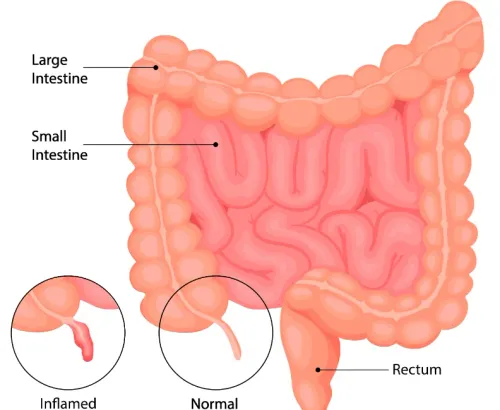
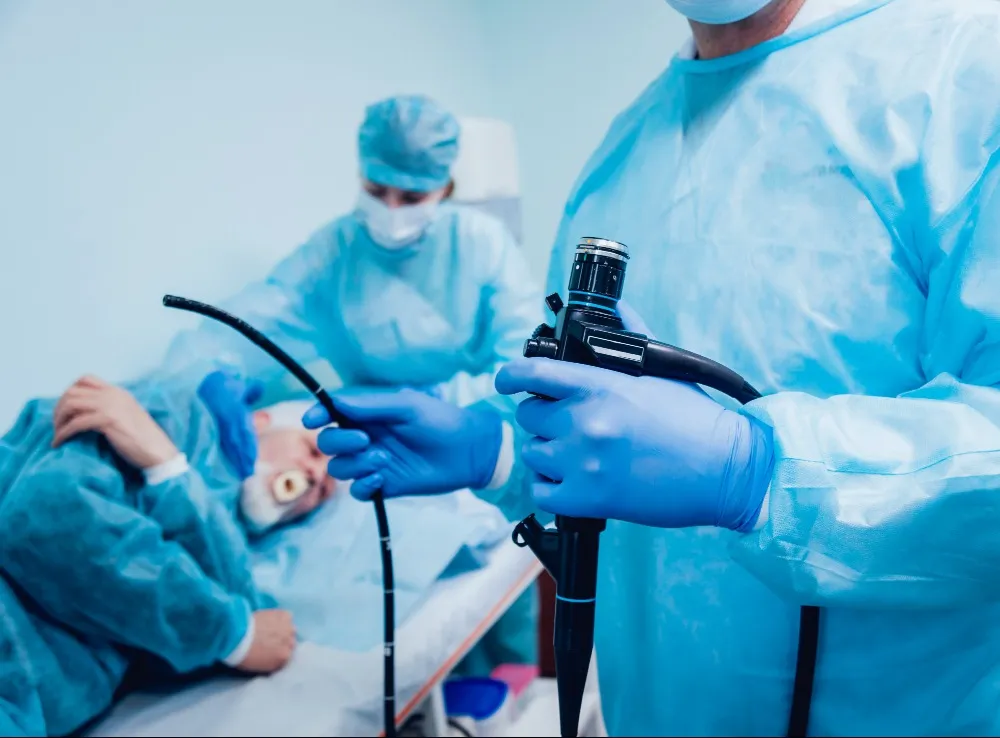
Upper gastrointestinal endoscopy, also called gastroscopy, uses a thin flexible instrument with a camera to examine the upper digestive system.
The doctor can inspect the
- Oesophagus
- Stomach
- First part of the small intestine, called the duodenum
Unlike an X-ray or scan that creates an image from outside the body, endoscopy allows the lining of these organs to be viewed directly.
Why Might an Endoscopy Be Recommended?
An endoscopy may be considered when symptoms persist, recur, or require further investigation.
Reasons can include
- Difficulty or pain while swallowing
- Persistent upper abdominal discomfort
- Recurrent vomiting
- Gastrointestinal bleeding
- Unexplained anaemia in appropriate clinical circumstances
- Persistent reflux symptoms requiring evaluation
- Suspected ulcers or inflammation
- Follow-up of certain previously identified conditions
Not everyone with acidity or abdominal discomfort needs endoscopy. The decision depends on symptoms, age, medical history, examination findings, warning signs, and response to previous treatment.
Can Endoscopy Detect More Than One Condition?
Yes.
Depending on the clinical situation, endoscopy may help identify inflammation of the oesophagus, gastritis, ulcers, narrowing, bleeding sites, polyps, growths, and other abnormalities.
If an area looks unusual, the doctor may take a small tissue sample known as a biopsy.
A biopsy does not automatically mean cancer is suspected. Tissue samples can be useful for diagnosing several inflammatory, infectious, precancerous, or other conditions.
How Should Patients Prepare?
Patients are generally asked not to eat or drink for a specified period before upper GI endoscopy so that the stomach is empty.
Preparation instructions may differ depending on the procedure time and individual medical circumstances.
Before the test, tell the treating team about
- Blood-thinning medicines
- Diabetes medication
- Allergies
- Heart or lung conditions
- Previous reactions to sedation
- Pregnancy or possible pregnancy
- Other significant medical problems
Medicines should not be stopped independently unless the treating clinician advises it.
What Happens During the Procedure?
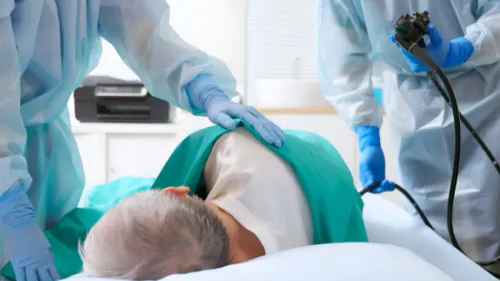
The patient usually lies on the side. A local throat spray and/or sedation may be used depending on the planned procedure and clinical setting.
The flexible endoscope is carefully passed through the mouth into the oesophagus and stomach.
The camera transmits images to a monitor so that the digestive lining can be examined systematically.
Endoscopy does not interfere with breathing because the instrument enters the digestive tract rather than the airway.
Does Endoscopy Hurt?
Experiences vary.
Patients may notice pressure, gagging, bloating, or temporary throat discomfort. Sedation can make the examination more comfortable for suitable patients.
Afterwards, mild bloating or throat soreness may occur temporarily.
If sedation has been administered, patients may need someone to accompany them home and should follow the facility's instructions about driving, work, and important decisions after the procedure.
When Should Symptoms Be Investigated Promptly?
Some digestive symptoms deserve timely medical attention rather than repeated self-medication.
These include vomiting blood, black stools, progressive difficulty swallowing, persistent vomiting, significant unexplained weight loss, or severe abdominal pain.
The appropriate investigation depends on the clinical picture, and emergency symptoms should be assessed urgently.
For patients considering endoscopy in Kolathur, Dr. Amilthan K can evaluate gastrointestinal symptoms and determine whether endoscopic investigation is appropriate. The purpose is not simply to perform a test, but to answer a specific clinical question and guide subsequent management.
Endoscopy can be valuable when used for the right indication. Knowing why the procedure has been advised, how to prepare, and what the findings may mean helps patients participate more confidently in their care.
Keywords