Circumcision is a common surgical procedure performed for medical, cultural, or personal reasons. While many people associate it with infancy, adults and older children may also require circumcision to treat specific medical conditions that affect comfort, hygiene, or urinary health. If you have been advised to undergo Circumcision Surgery, understanding why it is recommended and what the procedure involves can help you make an informed decision.
In Kolathur, Chennai, many patients consult a general surgeon when they experience persistent foreskin-related problems that do not improve with medication or lifestyle changes. Modern surgical techniques have made the procedure safer, more comfortable, and associated with quicker recovery than many people expect.
What Is Circumcision?
Circumcision is a surgical procedure that removes the foreskin, the fold of skin covering the tip of the penis. Although it is often performed during infancy in some communities, adults may undergo circumcision to address medical concerns that interfere with daily life.
The procedure is generally performed under appropriate anesthesia, and most patients can return home on the same day.
Medical Conditions That May Require Circumcision
A doctor may recommend circumcision when conservative treatments fail or when recurring problems affect quality of life.
Common medical reasons include
- Phimosis, where the foreskin cannot be retracted
- Recurrent infections of the foreskin or glans
- Pain during urination or sexual activity
- Paraphimosis, a condition requiring urgent medical attention
- Repeated inflammation of the foreskin
- Difficulty maintaining proper hygiene
A thorough examination helps determine whether surgery is the most suitable treatment.
Signs You Should Not Ignore
While occasional irritation may improve with medication, persistent symptoms should be evaluated.
These include
- Tight foreskin
- Pain while retracting the foreskin
- Recurrent redness or swelling
- Foul-smelling discharge
- Difficulty cleaning beneath the foreskin
- Frequent urinary infections
- Cracking or bleeding of the foreskin
Ignoring these symptoms may lead to repeated infections or worsening discomfort.
How Is the Procedure Performed?
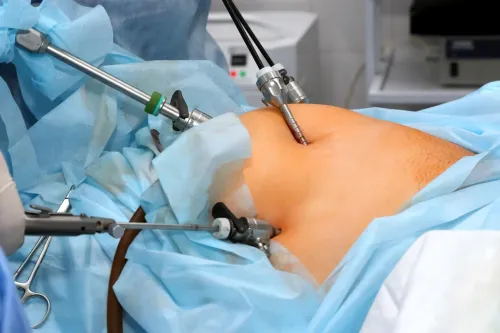
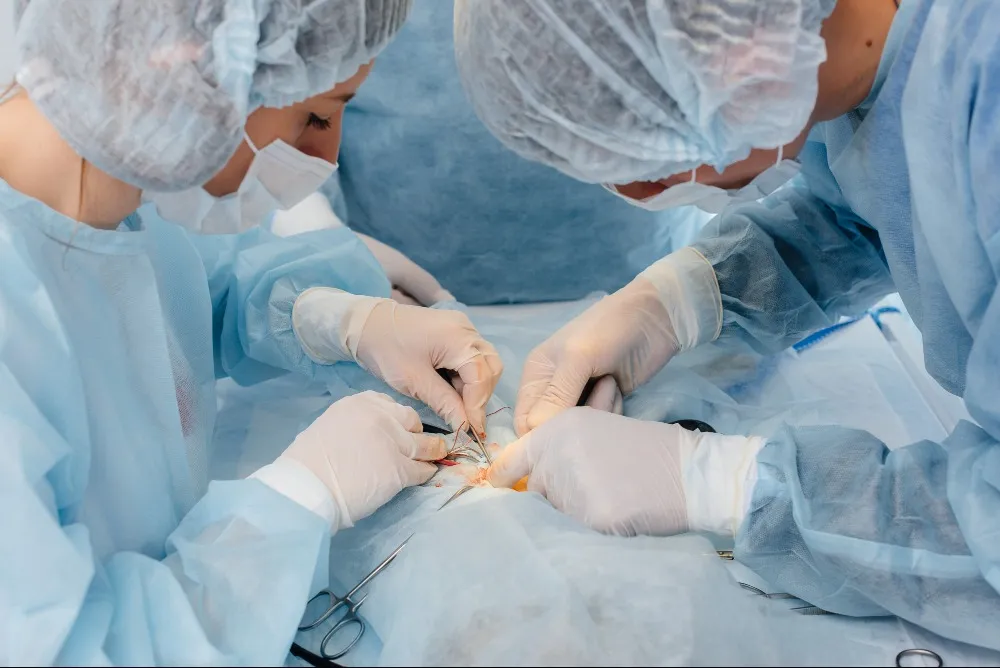
Circumcision surgery is a relatively short procedure. After administering anesthesia, the surgeon carefully removes the foreskin while preserving the surrounding healthy tissue. The wound is then closed using absorbable sutures that dissolve naturally during healing.
The surgical approach is selected based on the patient's age, medical condition, and overall health.
Benefits of Circumcision Surgery
When performed for appropriate medical reasons, circumcision offers several advantages.
Potential benefits include
- Reduced risk of recurrent foreskin infections
- Easier personal hygiene
- Relief from pain caused by tight foreskin
- Improved urinary comfort
- Lower chances of repeated inflammation
- Better long-term foreskin health
The procedure is recommended only after proper clinical evaluation.
Preparing for Surgery
Before surgery, the surgeon may advise
- Routine blood investigations
- Reviewing current medications
- Following fasting instructions
- Maintaining good personal hygiene
- Arranging transportation after discharge
Following these instructions contributes to a smoother surgical experience.
Recovery After Circumcision
Recovery is generally straightforward when postoperative instructions are followed carefully.
Patients are usually advised to
- Keep the area clean and dry
- Wear loose-fitting clothing
- Avoid strenuous exercise for the recommended period
- Take prescribed medications as directed
- Attend scheduled follow-up appointments
Most swelling and discomfort gradually improve within a few weeks, although complete healing may vary from person to person.
Common Questions Patients Ask
Many adults feel anxious before circumcision because they are unfamiliar with the procedure.
Some frequently asked questions include
- Will the surgery be painful?
- How long does healing take?
- When can normal activities resume?
- Are there visible scars?
- Can infections return after surgery?
Discussing these concerns with the surgeon before the procedure helps patients understand realistic expectations and postoperative care.
Why Professional Evaluation Is Important
Not every foreskin problem requires surgery. Some conditions respond well to medication or minor lifestyle changes, while others benefit from timely surgical intervention. An experienced surgeon evaluates the severity of symptoms and recommends the most appropriate treatment rather than suggesting surgery unnecessarily.
Patients in Kolathur often seek consultation with Dr. Amilthan K for comprehensive assessment and individualized treatment planning. The focus remains on identifying the underlying problem, explaining all available options, and helping patients make informed healthcare decisions.
If recurring foreskin problems are affecting your comfort, hygiene, or daily routine, consulting a qualified surgeon can help determine whether circumcision surgery is the right solution for your condition.
Keywords