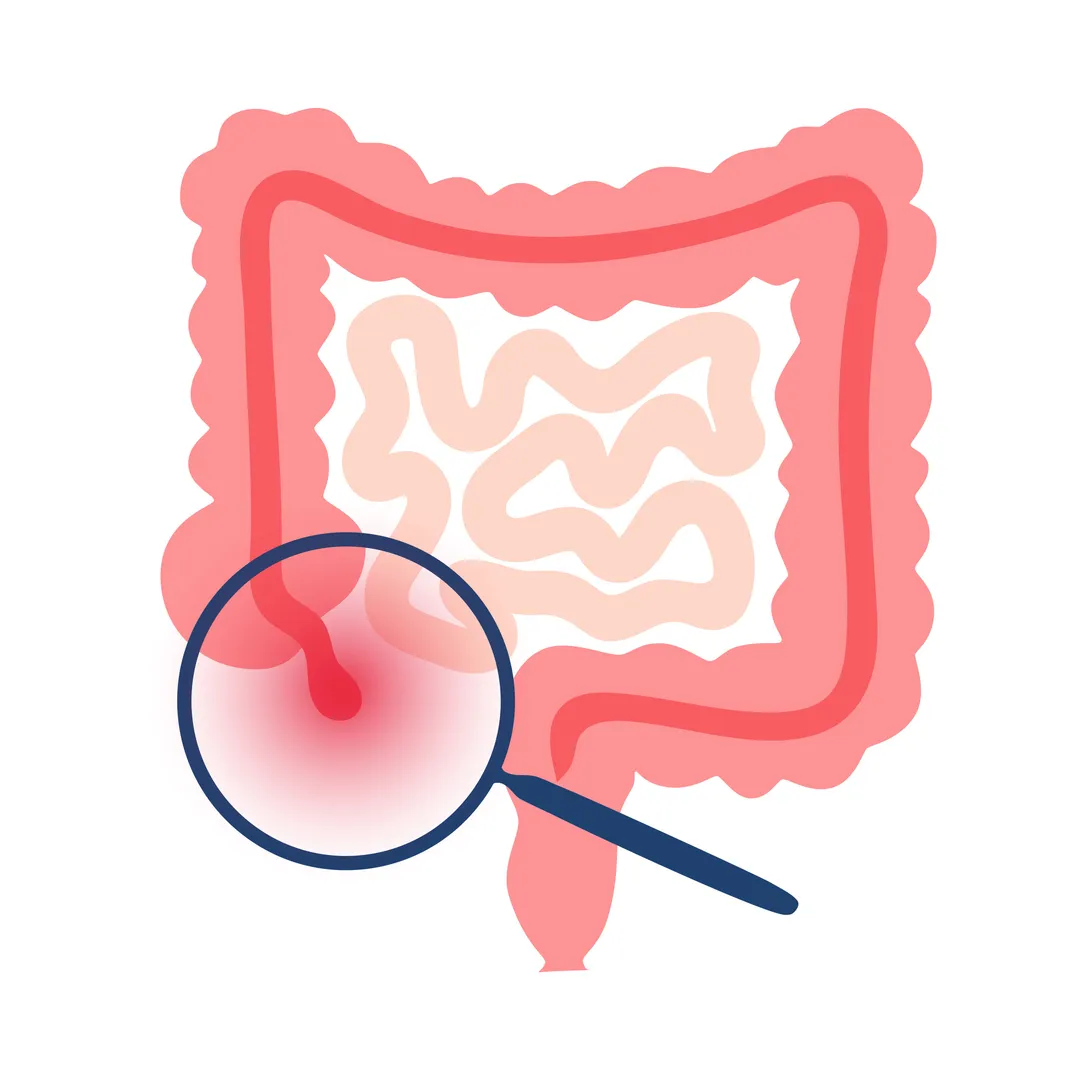
Abdominal pain can have many causes, but pain that begins near the navel and gradually shifts to the lower right side of the abdomen should never be ignored. It may be a sign of appendicitis, a condition that often requires prompt Appendix Surgery. Delaying treatment can increase the risk of the appendix bursting, leading to a more serious infection inside the abdomen.
Residents of Kolathur, Chennai, who seek medical attention early for symptoms of appendicitis often benefit from timely diagnosis and faster recovery through modern surgical techniques.
What Is the Appendix?
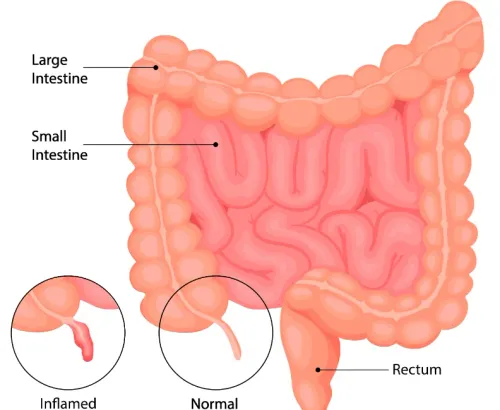
The appendix is a small finger-shaped pouch attached to the large intestine. Although its exact function is not fully understood, inflammation of the appendix can quickly become a medical emergency if left untreated.
When the appendix becomes blocked and infected, it causes appendicitis.
Common Symptoms of Appendicitis
Symptoms often develop over several hours.
Typical signs include
- Pain near the navel that moves to the lower right abdomen
- Loss of appetite
- Nausea
- Vomiting
- Fever
- Pain while walking or coughing
- Abdominal tenderness
- Constipation or diarrhea in some cases
Not every patient experiences all these symptoms, making medical evaluation important.
Why Prompt Diagnosis Matters
Untreated appendicitis may lead to
- Rupture of the appendix
- Spread of infection within the abdomen
- Abscess formation
- Longer hospital stay
- More complicated surgery
Early diagnosis significantly reduces these risks.
How Is Appendicitis Diagnosed?
Doctors use several methods to confirm the diagnosis.
These may include
- Physical examination
- Blood tests
- Urine tests
- Ultrasound
- CT scan when necessary
The combination of clinical findings and imaging helps determine whether surgery is required.
What Is Laparoscopic Appendix Surgery?
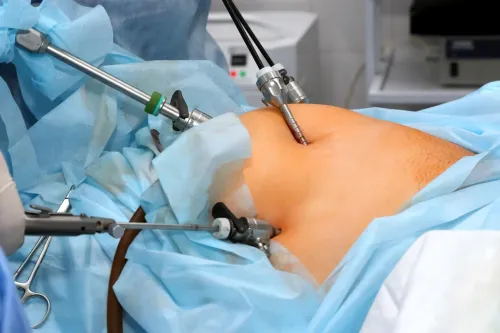
Today, many patients undergo laparoscopic appendectomy.
This minimally invasive technique involves
- Small surgical incisions
- Use of a tiny camera
- Specialized surgical instruments
- Removal of the inflamed appendix with minimal tissue disruption
Compared with traditional open surgery, laparoscopic procedures often result in less pain and quicker recovery for suitable patients.
Recovery After Appendix Surgery
Most patients recover well when postoperative instructions are followed.
Recovery generally includes
- Early walking
- Gradual return to normal diet
- Avoiding heavy lifting for a few weeks
- Keeping surgical wounds clean
- Taking prescribed medications
Many individuals can resume routine activities sooner after laparoscopic surgery than after open procedures.
Can Appendicitis Be Prevented?
There is no guaranteed way to prevent appendicitis. However, recognizing symptoms early and seeking immediate medical attention can prevent serious complications.
Ignoring persistent abdominal pain or relying solely on home remedies may delay necessary treatment.
Choosing the Right Surgical Care
Accurate diagnosis and timely surgery are essential for successful treatment of appendicitis. Modern laparoscopic techniques allow surgeons to perform the procedure safely while minimizing recovery time whenever appropriate.
Patients in Kolathur frequently consult Dr. Amilthan K for the diagnosis and management of acute appendicitis and other abdominal surgical conditions. Treatment decisions are based on detailed clinical evaluation and the patient's overall health.
If abdominal pain becomes severe, especially when accompanied by fever, vomiting, or loss of appetite, seeking prompt medical attention is essential. Early appendix surgery can help prevent complications and support a faster return to normal life.
Keywords