Many digestive conditions develop gradually and may not produce noticeable symptoms in their early stages. A colonoscopy is one of the most effective diagnostic procedures for examining the large intestine and identifying problems before they become serious. Whether you have persistent digestive complaints or need preventive screening, consulting a qualified Colonoscopy Specialist can play an important role in maintaining long-term digestive health.
People in Kolathur, Chennai, are becoming increasingly aware of the value of early screening, especially for individuals with ongoing bowel problems or a family history of colorectal diseases.
What Is a Colonoscopy?
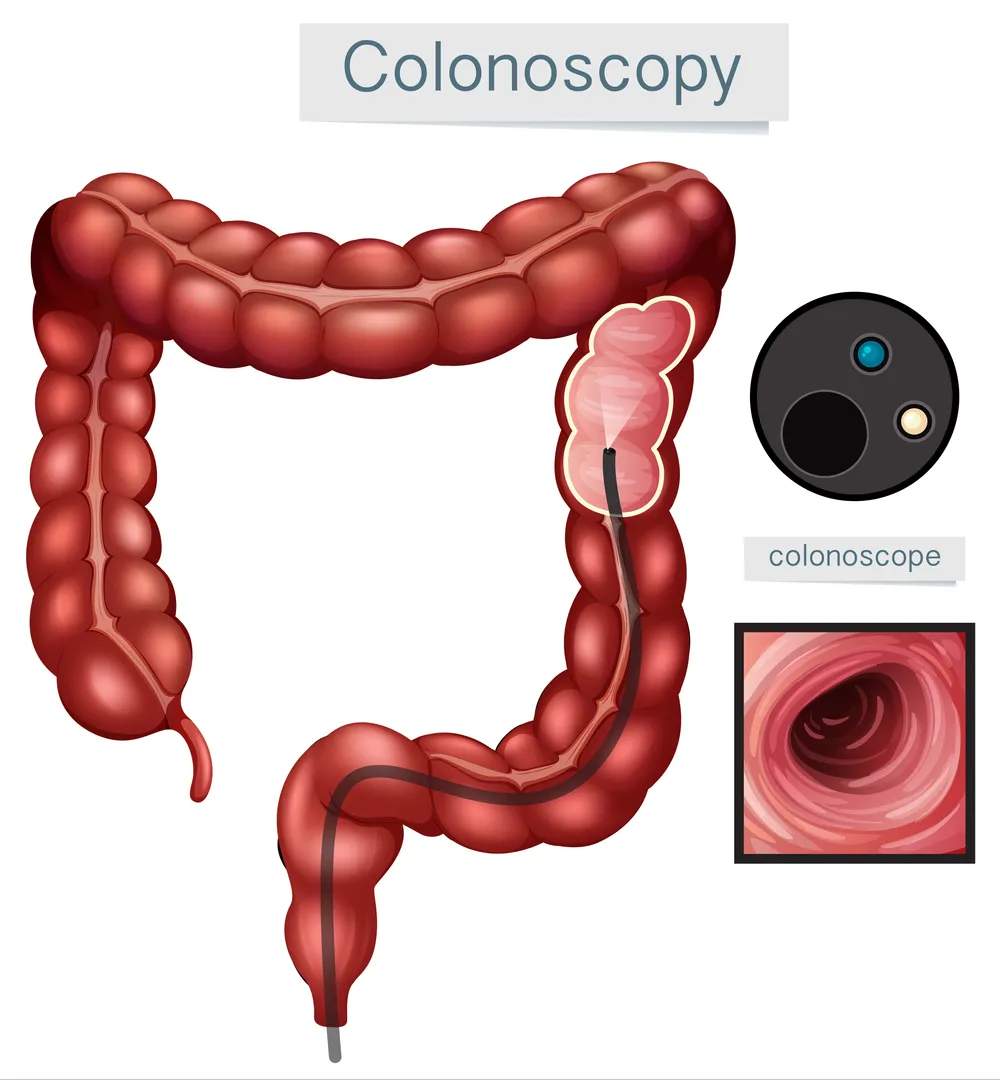
A colonoscopy is a diagnostic procedure that allows a doctor to examine the inner lining of the colon and rectum using a thin, flexible tube fitted with a camera.
The procedure helps detect
- Colon polyps
- Inflammation
- Ulcers
- Bleeding sources
- Colorectal cancer
- Other abnormalities affecting the large intestine
It is considered one of the most reliable methods for evaluating bowel health.
Who Should Consider a Colonoscopy?
A colonoscopy may be recommended for both diagnostic and preventive purposes.
You may benefit from the procedure if you have
- Persistent constipation
- Chronic diarrhea
- Blood in the stool
- Unexplained abdominal pain
- Unexplained weight loss
- Iron deficiency anemia
- Family history of colorectal cancer
- Previous colon polyps
The recommendation depends on your age, symptoms, and overall medical history.
Why Early Screening Matters
Many colorectal conditions begin silently. Detecting abnormalities early allows treatment before complications develop.
Early screening can help
- Identify precancerous polyps
- Diagnose inflammatory bowel diseases
- Investigate unexplained digestive symptoms
- Detect colorectal cancer at an earlier stage
- Prevent disease progression through timely intervention
For many patients, screening provides reassurance when no significant abnormalities are found.
What Happens During the Procedure?
Before the examination, patients receive instructions to clean the bowel using a prescribed preparation. During the procedure, sedation is commonly provided to improve comfort.
The specialist carefully advances the colonoscope through the large intestine while examining the intestinal lining. If polyps or suspicious tissue are found, they may be removed or biopsied during the same procedure for laboratory analysis.
This eliminates the need for multiple procedures in many cases.
Is Colonoscopy Painful?
One of the biggest concerns patients have is whether the procedure will be painful.
In reality, most patients experience little to no discomfort because sedation helps them remain comfortable throughout the examination. Mild bloating or gas may occur afterward but usually settles within a short time.
The procedure itself typically takes less than an hour, although patients remain under observation before returning home.
Preparing for a Successful Colonoscopy
Proper preparation is essential because a clean bowel allows better visualization.
Preparation generally includes
- Following a low-fiber diet as instructed.
- Drinking the prescribed bowel preparation solution.
- Avoiding solid food before the procedure.
- Informing the doctor about medications and allergies.
- Arranging someone to accompany you home if sedation is used.
Good preparation improves the accuracy of the examination.
Choosing an Experienced Colonoscopy Specialist
A successful colonoscopy depends not only on modern equipment but also on the experience of the specialist performing the procedure. Careful examination of the entire colon improves the likelihood of detecting small abnormalities that may otherwise go unnoticed.
Patients in Kolathur frequently consult Dr. Amilthan K for diagnostic colonoscopy and evaluation of digestive conditions. Individualized assessment, detailed explanation of findings, and appropriate follow-up recommendations help patients better understand their digestive health.
Do Not Ignore Persistent Digestive Symptoms
Digestive problems that continue for several weeks should never be dismissed as routine indigestion. Persistent bowel changes, unexplained bleeding, or recurring abdominal discomfort deserve medical attention.
Consulting a colonoscopy specialist at the right time can lead to early diagnosis, effective treatment, and greater peace of mind. Preventive screening is equally valuable for individuals with risk factors, allowing potential problems to be identified before they become more serious.
Keywords