


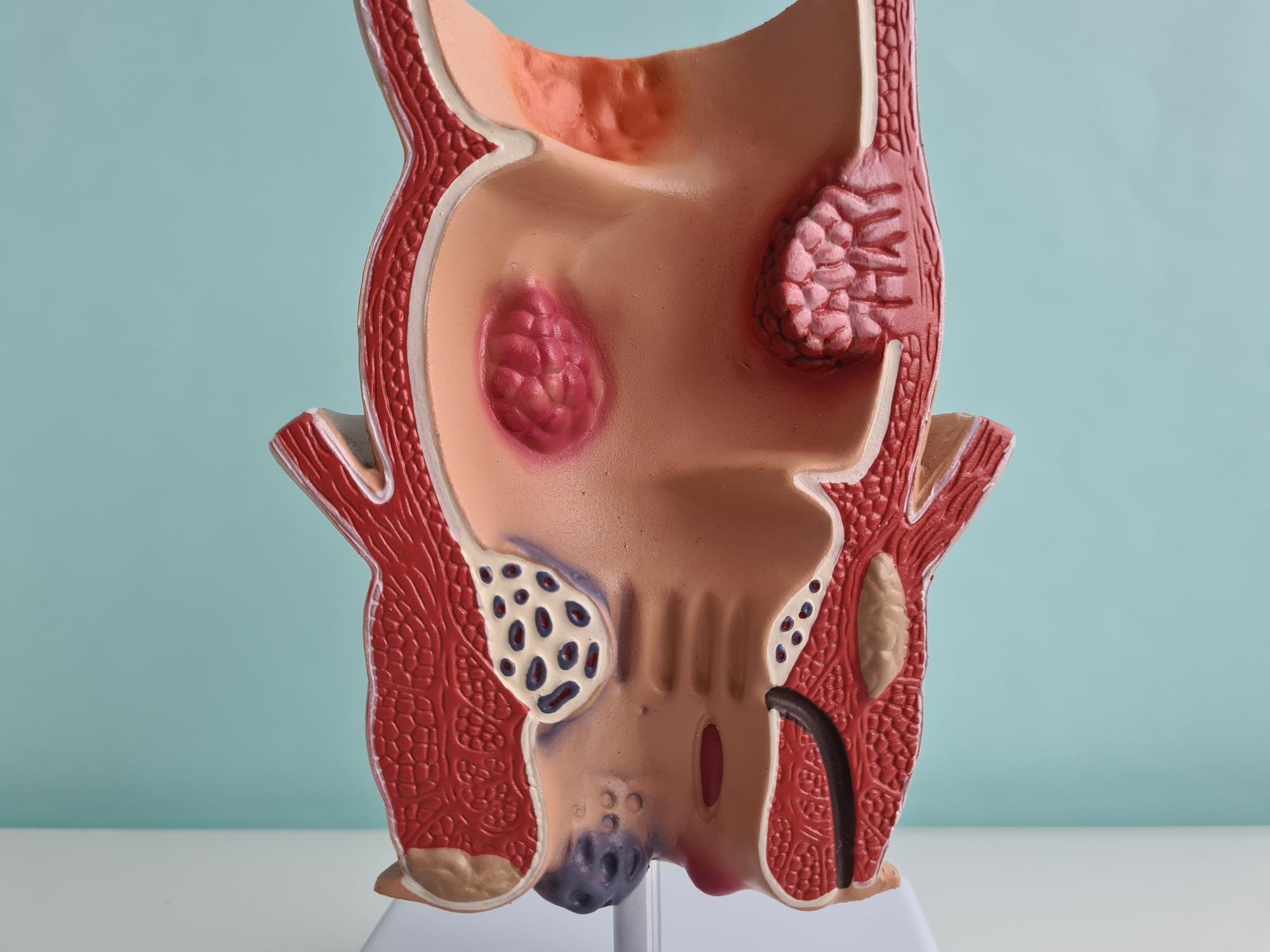
Anal pain followed by swelling and pus discharge can be confusing. A person may initially be treated for an abscess and feel much better after it drains, only to notice that the discharge repeatedly returns from a small opening near the anus.
One possible explanation is an anal fistula. Choosing appropriate fistula treatment begins with understanding the tract and its relationship to the anal sphincter muscles.
Abscess and Fistula Are Related but Different
An anal abscess is a collection of infected material around the anus or rectum. It can cause severe pain, swelling, tenderness, and sometimes fever.
A fistula is an abnormal tunnel connecting the anal canal to an opening in the skin around the anus.
Some fistulas develop after an abscess. The external swelling may settle while a persistent tract remains underneath the skin.
This is why repeated drainage from the same area should be evaluated rather than assumed to be another ordinary boil.
Common Signs of an Anal Fistula
Symptoms vary but can include
- Recurrent pus discharge
- A small opening near the anus
- Intermittent swelling
- Pain that improves after discharge occurs
- Skin irritation around the opening
- Repeated abscess formation
Fever or increasing pain can suggest active infection and should prompt medical review.
Why Is the Exact Fistula Path Important?
The anal sphincter muscles help maintain bowel control. A fistula tract can pass through or around different portions of these muscles.
Therefore, fistula treatment is not simply about removing a visible opening.
A surgeon needs to understand the course of the tract, whether branches are present, whether an abscess remains, and how much sphincter muscle is involved.
Clinical examination is central to this assessment. Imaging such as MRI may be useful for selected complex or recurrent fistulas.
Why Doesn't a Fistula Always Heal on Its Own?
The tract can remain open because of its connection with the anal canal and ongoing inflammation.
Symptoms may temporarily disappear when drainage stops, but recurrence can occur if the underlying fistula persists.
Repeated courses of medication without investigating recurrent discharge may therefore fail to solve the underlying problem.
How Is Fistula Treatment Chosen?
Treatment depends heavily on anatomy.
For some relatively simple fistulas, fistulotomy may be considered. More complex fistulas may require approaches designed to manage the tract while protecting sphincter function.
Depending on the individual case, surgical options can include staged treatment, seton placement, sphincter-preserving procedures, or other techniques.
There is no responsible way to choose a fistula procedure based solely on a symptom description online. Examination and mapping of the tract are important.
What Should You Ask During Consultation?
A useful surgical discussion should answer questions such as
- Is this definitely a fistula?
- Is there an active abscess?
- Is the fistula simple or complex?
- Does it involve the sphincter muscles?
- Is additional imaging required?
- What procedure is being considered?
- What are the recurrence and continence considerations?
- What wound care will be required afterward?
These questions are especially valuable for someone who has previously undergone drainage or fistula surgery.
Do Not Delay an Acute Infection
Severe anal pain, rapidly increasing swelling, fever, chills, or feeling significantly unwell can indicate an abscess or spreading infection.
Such symptoms should be assessed promptly.
For patients seeking fistula treatment in Kolathur, Dr. Amilthan K provides evaluation of fistula and other anorectal surgical conditions. Treatment planning is based on the clinical findings and anatomy of the fistula rather than applying the same technique to every patient.
An anal fistula can be frustrating because symptoms may repeatedly improve and return. Identifying the tract correctly is the key step toward choosing treatment that addresses the disease while considering preservation of normal anal function.


